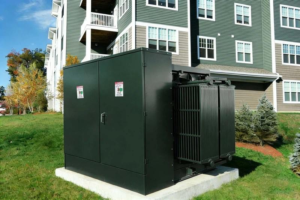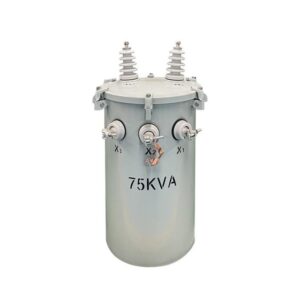
Dry Type Transformer vs Oil Transformer: Which One Is Better for Your Project?
Frequent failures, fire risks, and mismatched specifications can disrupt power systems, causing costly downtime and safety hazards. Choosing the wrong distribution transformer worsens long-term reliability. Understanding oil-immersed transformer vs dry-type transformer differences helps avoid these risks.
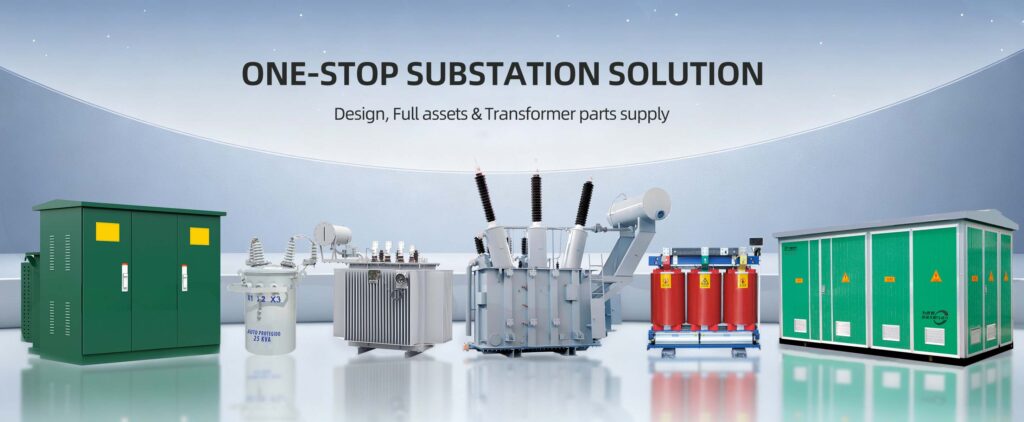
Dry-type and oil-immersed transformers differ mainly in insulation medium, cooling method, safety level, and application environment. Dry-type units use solid insulation and air cooling, making them ideal as indoor dry-type transformers, while oil-filled designs rely on liquid insulation for higher capacity and outdoor transformer installation. This guide compares their performance, cost, and compliance factors.
Selecting the right transformer insulation system is critical for efficiency, safety, and long-term operational stability. Continue reading for a detailed comparison.
Core Insulation Medium and Heat Dissipation Mechanism
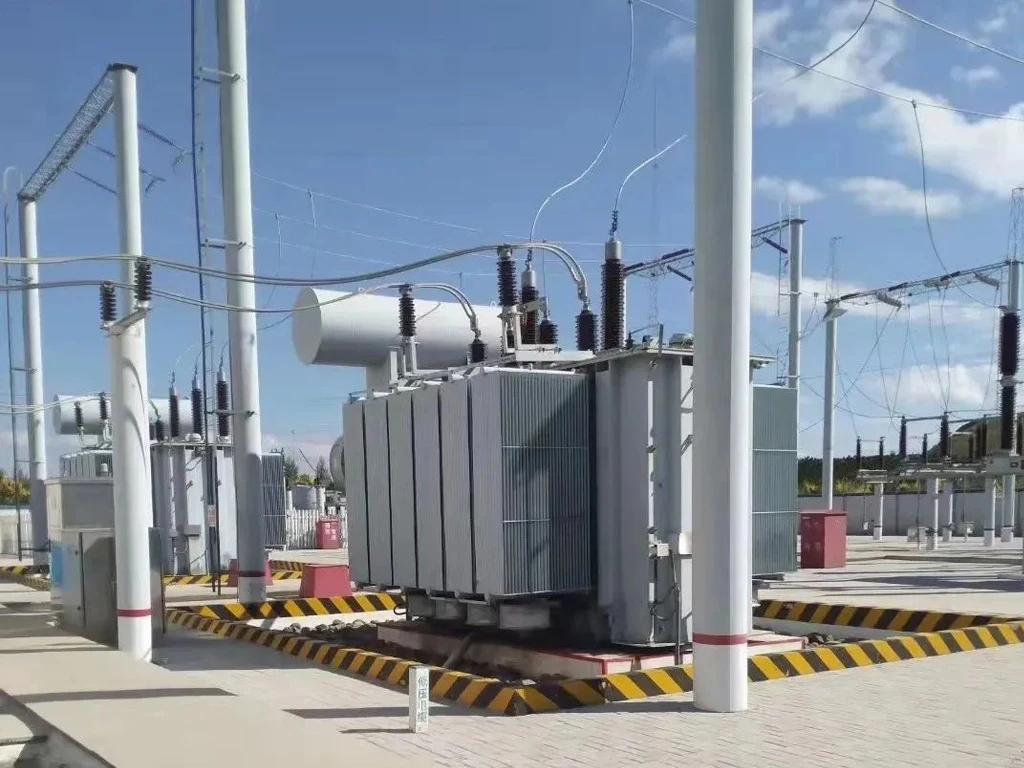
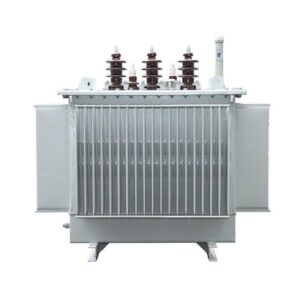
The most fundamental difference between oil-immersed transformer vs dry-type transformer lies in the transformer insulation system and transformer cooling method. Oil-immersed transformers use mineral oil or synthetic insulating liquids as both insulation and cooling media. The oil circulates naturally or through forced cooling systems, efficiently dissipating heat generated during operation. This allows higher thermal conductivity and improved overload capacity, making them highly suitable for large-scale distribution transformer applications.
In contrast, dry-type transformers rely on solid insulation materials such as epoxy resin or cast resin combined with air cooling. Their transformer cooling method typically involves natural air ventilation (AN) or forced air cooling (AF). While this design eliminates the risk of oil leakage, it generally offers lower heat dissipation efficiency compared to liquid-cooled systems. However, advancements in materials have significantly improved their thermal performance, making them reliable for medium-capacity applications.
Ultimately, the insulation medium directly affects performance, lifespan, and efficiency, with oil-immersed transformers excelling in high-load scenarios and dry-type units offering safer, cleaner operation.
Installation Environment and Site Suitability
Installation conditions play a decisive role in transformer selection. Oil-immersed transformers are widely preferred for outdoor transformer installation due to their strong environmental adaptability. Their sealed tank design protects internal components from dust, humidity, and extreme temperatures, allowing stable operation in harsh environments such as mining sites, rural grids, and utility substations.
On the other hand, the indoor dry-type transformer is specifically designed for installation in enclosed environments such as commercial buildings, hospitals, data centers, and industrial facilities. Since they do not contain flammable oil, they eliminate leakage risks and simplify installation requirements. Additionally, dry-type transformers require less space for fire separation and oil containment systems.
However, environmental factors such as altitude, humidity, and ventilation must still be considered. Dry-type transformers perform best in controlled indoor conditions, while oil-immersed units remain the preferred solution for outdoor and heavy-duty applications.
Operational Safety and Fire Protection Requirements
Safety is a primary concern when comparing transformer technologies. Dry-type transformers are widely recognized as a fire-resistant transformer solution. Without flammable oil, the risk of fire, explosion, or environmental contamination is significantly reduced. This makes them ideal for high fire-risk environments such as airports, tunnels, shopping malls, and high-rise buildings.
Oil-immersed transformers, while reliable, pose inherent fire risks due to the presence of insulating oil. In case of internal faults or short circuits, oil may ignite, requiring additional fire protection systems such as oil containment pits, firewalls, and extinguishing systems. These safety measures increase installation complexity and cost.
Nevertheless, modern oil-immersed transformers are equipped with protective devices such as Buchholz relays and pressure relief valves to enhance operational safety. Still, when strict fire protection standards are required, dry-type transformers offer a clear advantage.
Maintenance Cycle and Long-Term Operating Costs
Transformer maintenance cost is a key factor influencing purchasing decisions. Oil-immersed transformers require regular monitoring of oil quality, including dielectric strength, moisture content, and dissolved gas analysis. Periodic oil filtration or replacement is necessary to maintain performance, increasing long-term maintenance efforts.
In contrast, dry-type transformers have a simpler maintenance cycle. Since they do not use liquid insulation, there is no need for oil testing or replacement. Routine inspections mainly focus on cleaning dust, checking ventilation systems, and ensuring electrical connections remain secure. This significantly reduces transformer maintenance cost over time.
However, initial investment for dry-type transformers is typically higher than oil-immersed units. Buyers must balance upfront cost with long-term savings. For projects prioritizing low maintenance and operational simplicity, dry-type transformers are often more cost-effective in the long run.
Application Scenarios and Load Capacity Performance
Both transformer types serve as essential distribution transformer solutions across various industries, but their application scenarios differ significantly. Oil-immersed transformers are widely used in power generation plants, transmission networks, and heavy industrial sectors where high load capacity and efficiency are required. Their superior cooling capability allows them to handle large power loads and operate continuously under demanding conditions.
Dry-type transformers, while slightly limited in maximum capacity, are ideal for applications requiring high safety and environmental standards. These include renewable energy projects, commercial buildings, and infrastructure developments. Their compact design and reduced fire risk make them particularly suitable for urban environments.
In terms of overload performance, oil-immersed transformers generally perform better due to their efficient heat dissipation. However, dry-type transformers are increasingly being adopted in modern grids due to their reliability and safety advantages.
Environmental Impact and Regulatory Compliance
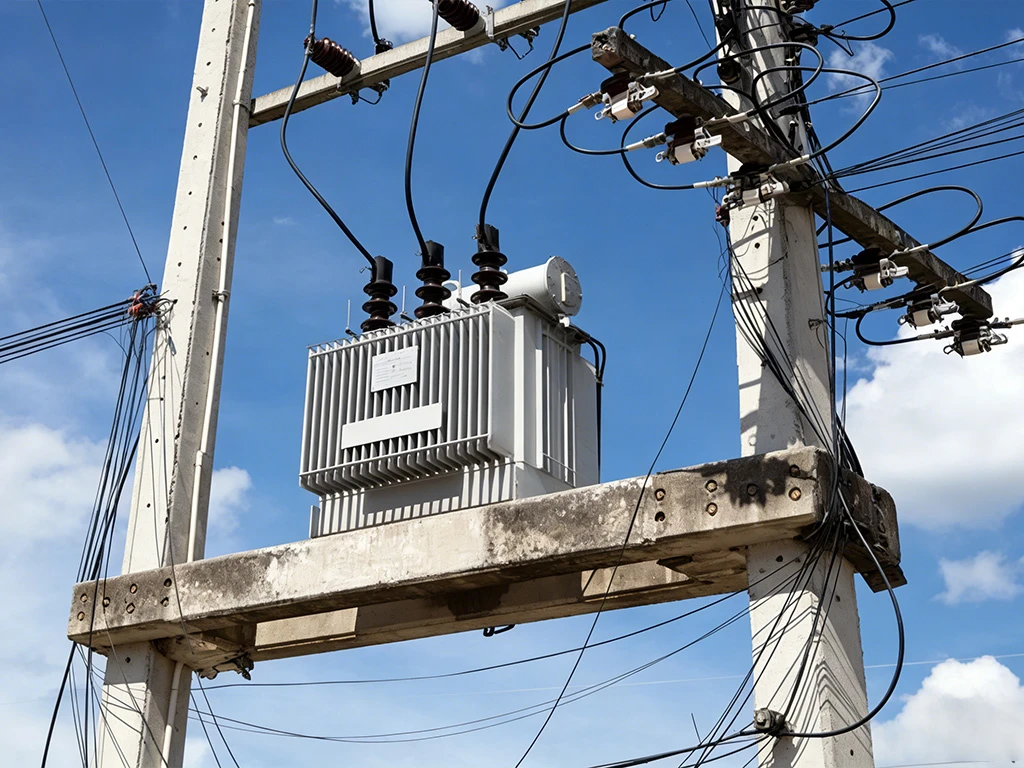
Environmental considerations are becoming increasingly important in transformer selection. Dry-type transformers offer a clear advantage in terms of compliance with global environmental regulations and sustainability standards. Without oil, they eliminate the risk of soil and water contamination, making them an environmentally friendly option.
Additionally, dry-type transformers produce lower emissions and are often made with recyclable materials, aligning with green energy initiatives and carbon reduction goals. This makes them particularly attractive for projects requiring strict environmental certifications.
Oil-immersed transformers, while highly efficient, require careful handling of insulating oil to prevent environmental damage. Leakage or improper disposal can lead to regulatory issues and additional costs. However, the use of biodegradable oils and improved sealing technologies is helping mitigate these concerns.
For projects prioritizing sustainability and regulatory compliance, dry-type transformers provide a more future-proof solution.
Conclusion
Dry-type and oil-immersed transformers each offer distinct advantages; selecting the right solution depends on safety, environment, cost, and load requirements.
About ZISHENG ELECTRICAL
Zisheng are a professional 19+ years manufacturer in producing Oil-Immersed Transformers, Compact Substation, Pad Mounted Transformers, Pole Mounted Transformers and Dry Type Transformers. We own the certificates of ISO/CE/IEC 60076 and TUV Rheinland.
Transformers undergo rigorous FAT and type testing, support voltage/capacity customization. Welcome to consult for Catalog and Product. you can contact us at email [email protected].