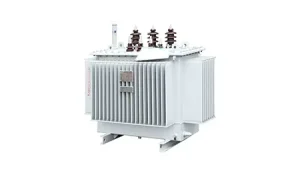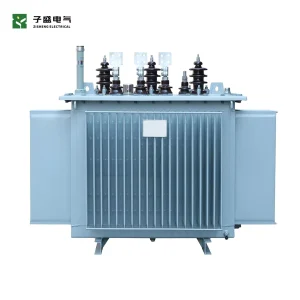
Benefits of Using Oil Immersed Transformers in Power Distribution
In the realm of power distribution, transformers play a pivotal role in ensuring the efficient and reliable delivery of electricity. Among the various types of transformers, Oil Immersed Transformers stand out due to their unique characteristics and benefits. These transformers are widely used in industrial and commercial settings, providing a robust solution for voltage regulation and power distribution. This article delves into the benefits of using oil immersed transformers, exploring their design, functionality, and applications in modern power systems.
The Design and Functionality of Oil Immersed Transformers
Oil immersed transformers are characterized by their use of oil as a cooling and insulating medium. The oil serves to dissipate heat generated during the transformer’s operation, thereby enhancing its efficiency and lifespan. The core and windings of the transformer are submerged in the oil, which provides excellent insulation and prevents electrical discharges. This design is particularly advantageous in high-voltage applications, where effective insulation is critical to prevent breakdowns and ensure safety.
The construction of oil immersed transformers involves a steel tank that houses the core and windings. The tank is filled with high-grade mineral oil, which not only cools the components but also acts as a dielectric barrier. This setup allows for efficient heat dissipation, even under heavy load conditions, making these transformers ideal for industrial applications. Furthermore, the oil helps in maintaining the transformer’s operational stability by absorbing moisture and preventing oxidation of the internal components.
Types of Oil Immersed Transformers
There are several types of oil immersed transformers, each designed to meet specific requirements. The most common types include distribution Oil immersed transformers, power Oil immersed transformers, and step-down Oil immersed transformers. Distribution transformers are used to step down the voltage for local distribution, ensuring that the power delivered to homes and businesses is at a safe and usable level. These transformers are typically found in utility poles or ground-mounted substations.
Power transformers, on the other hand, are used in transmission networks to step up or step down the voltage levels as needed. They are essential in long-distance power transmission, where minimizing energy loss is crucial. Step-down oil immersed transformers are specifically designed to reduce high voltage levels to lower levels suitable for end-user applications. These transformers are vital in industrial settings where machinery and equipment require specific voltage levels for optimal performance.
Benefits of Oil Immersed Transformers
The primary benefit of using oil immersed transformers lies in their efficiency and reliability. The oil used in these transformers provides superior cooling capabilities, which is essential for maintaining performance under varying load conditions. This cooling efficiency translates to reduced energy losses and improved operational lifespan, making oil immersed transformers a cost-effective solution for power distribution.
Moreover, oil immersed transformers are known for their robustness and durability. The oil acts as a protective barrier against environmental factors such as moisture and dust, which can compromise the integrity of the transformer’s components. This protection ensures that the transformers can operate in harsh conditions without the risk of failure. Additionally, the use of oil as an insulating medium enhances the transformer’s ability to handle high voltage levels, making them suitable for a wide range of applications.
Applications of Oil Immersed Transformers
Oil immersed transformers are widely used in various sectors due to their versatility and efficiency. In industrial settings, Industrial Oil Immersed Transformers are employed to power heavy machinery and equipment, ensuring that operations run smoothly and efficiently. These transformers are also used in commercial buildings to regulate voltage levels and provide a stable power supply to various electrical systems.
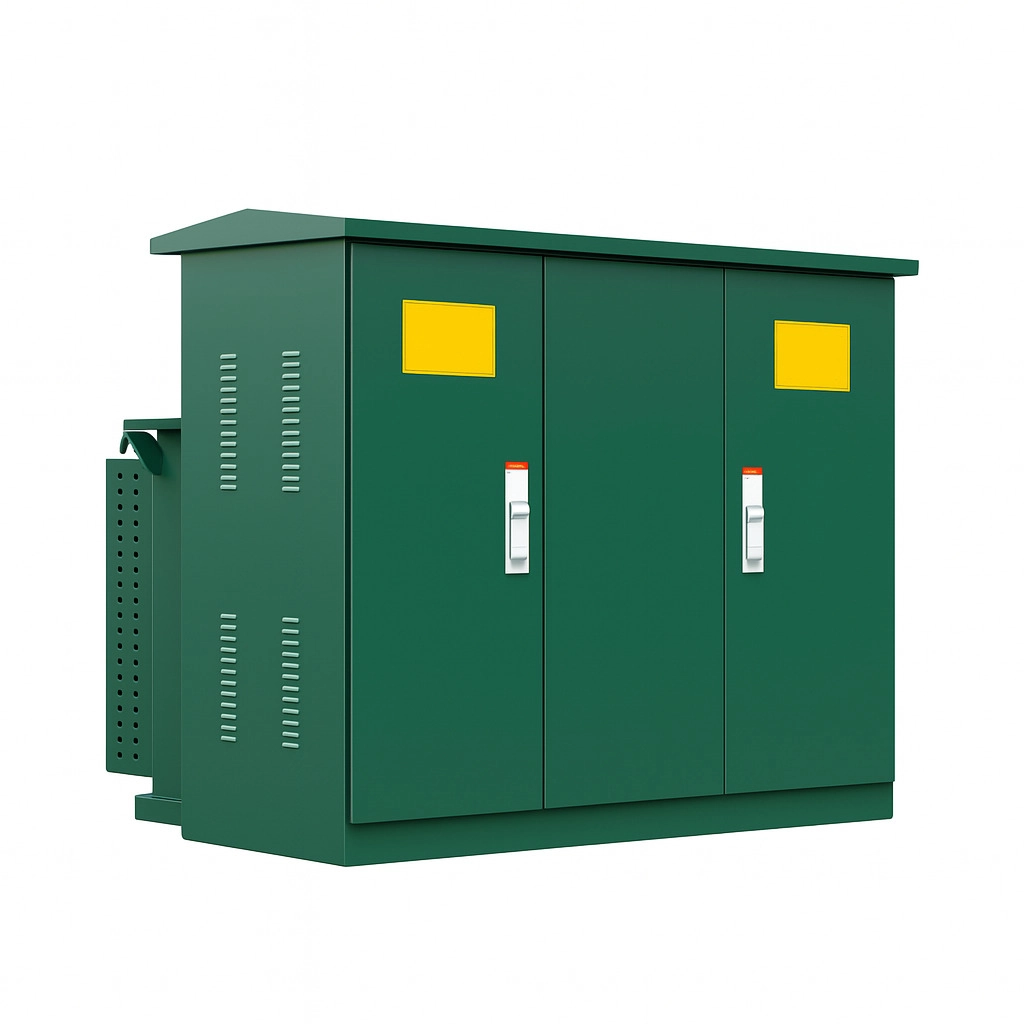
In the energy sector, oil immersed transformers are crucial for the transmission and distribution of electricity. They are used in substations to step up or step down voltage levels, facilitating the efficient transfer of power across long distances. This capability is particularly important in renewable energy projects, where the integration of power from sources such as wind and solar requires precise voltage regulation to ensure grid stability.