ZISHENG Transformer Installation: A Comprehensive Guide to Safe, Efficient On-Site Setup & Industrial Applications
Transformer installation is a high-stakes, detail-driven process that directly impacts power reliability for communities, businesses, and industrial operations. For ZISHENG transformers—engineered for durability, compliance, and performance—proper on-site setup ensures these critical devices deliver consistent value for decades. This guide breaks down everything from transformer basics to step-by-step installation (rooted in the on-site scene captured in the photo) and ZISHENG-specific best practices.
1. What Is a ZISHENG Transformer? Core Definition & Product Range
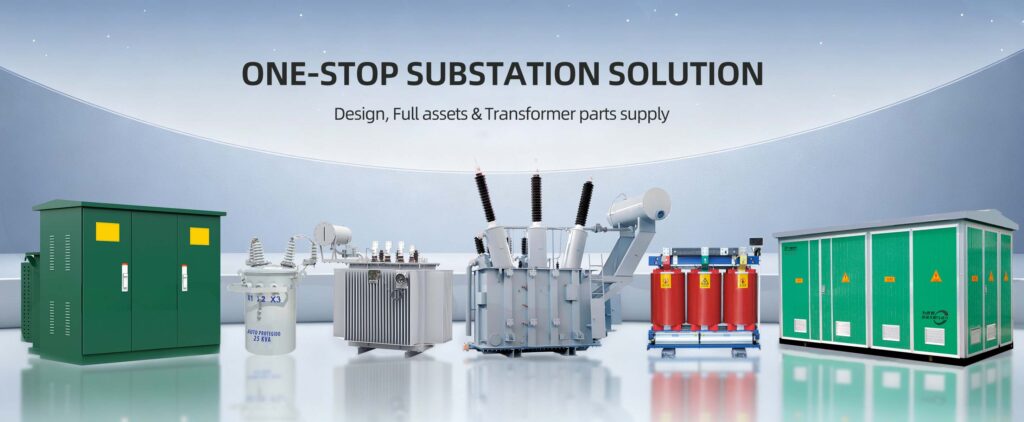
A transformer is a static electrical device that transfers energy between circuits via electromagnetic induction, stepping voltage up (for long-distance transmission) or down (for end-user safety). ZISHENG produces a diverse range of transformers tailored to installation needs:
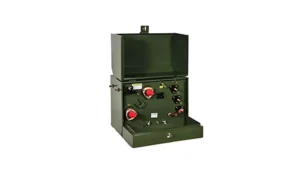
- Pole mounted transformers: For rural/urban distribution (installed on utility poles).
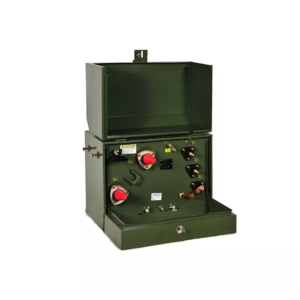
- Pad-mounted transformers: The type seen in the photo (placed on concrete bases for local power grids).
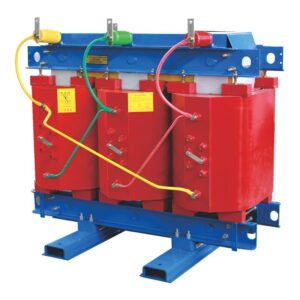
- Dry type transformers: For indoor industrial/commercial spaces.
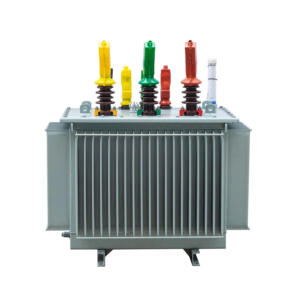
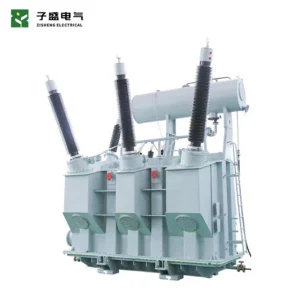
- Oil-immersed transformers: High-efficiency options for outdoor heavy-duty use.
- Three/single-phase transformers: Ranging from 50KVA to 4250KVA to fit small communities or large industrial zones.
2. Key Applications of ZISHENG Transformers: Where Installation Matters Most
ZISHENG transformer installation targets scenarios where reliable power is non-negotiable:
- Rural power grids: Connecting remote communities (via pole/pad-mounted units).
- Residential areas: Distributing safe voltage to homes (the photo’s setup supports local neighborhoods).
- Industrial zones: Powering heavy machinery (high-capacity ZISHENG units).
- Municipal projects: Supporting street lighting, water treatment plants, and public facilities.
- Renewable energy sites: Converting solar/wind output to grid-compatible voltage.
3. Common Types of ZISHENG Transformers for On-Site Installation
Installation requirements vary by transformer type—ZISHENG’s lineup aligns with site-specific needs:
- Pole mounted transformers: Lightweight (50–250KVA) for easy utility pole mounting.
- Pad-mounted transformers: The unit in the photo (typically 100–1000KVA), installed on concrete bases for stability.
- Dry type transformers: Encapsulated for indoor installation (no fire risk).
- High-voltage transformers: 10KV–35KV units for substation-to-grid connections.
4. Why Professional ZISHENG Transformer Installation Is Critical
Amateur setup risks equipment failure, safety hazards, and non-compliance. Professional installation for ZISHENG transformers ensures:
- Alignment with IEC/UL/GOST standards (ZISHENG’s certified designs require proper setup to meet compliance).
- Optimal performance (incorrect wiring reduces efficiency by 10–15%).
- Safety (the photo’s crew uses PPE to avoid electrical hazards).
- Longevity (proper mounting prevents corrosion and physical damage).
5. Pre-Installation Prep for ZISHENG Transformers: Steps to Ensure Success
Before the on-site work (as seen in the photo), thorough prep is key:
- Site assessment: Verify the concrete base (like the one in the photo) is reinforced to support the transformer’s weight.
- Equipment inspection: Check ZISHENG transformer components (windings, insulation, taps) for damage.
- Tool & PPE gathering: Prepare lifting gear, wiring tools, and safety equipment (hard hats, high-visibility vests—seen in the photo).
- Permit confirmation: Secure local electrical authority approvals for grid connection.
6. On-Site ZISHENG Transformer Installation: Step-by-Step (As Seen in the Photo)
The photo captures a pad-mounted ZISHENG transformer installation—here’s the full process:
- Positioning: Lift the transformer onto the concrete base (the photo shows the unit already placed for stability).
- Wiring: Connect primary (grid-side) and secondary (distribution-side) cables (the photo’s crew is working on top-unit connections).
- Insulation testing: Use megohmmeters to verify no electrical leaks.
- Grounding: Install a robust ground system to prevent surges.
- Initial power-up: Conduct a low-load test to confirm voltage output.
7. Safety Protocols for ZISHENG Transformer Installation (Field Work Best Practices)
The photo’s crew demonstrates critical safety steps—ZISHENG recommends:
- Mandatory PPE: Hard hats, high-visibility vests, and insulated gloves (seen on the workers).
- Site isolation: Barricade the installation area to keep bystanders away.
- No lone work: At least two crew members (as in the photo) to monitor hazards.
- Weather precautions: Avoid installation during rain or high winds (the photo’s overcast conditions are safe for setup).
8. Post-Installation Testing for ZISHENG Transformers: Verifying Performance
After setup, test ZISHENG transformers to confirm reliability:
- Voltage ratio test: Ensure step-up/step-down aligns with design specs.
- Load test: Apply 80% of rated load to check temperature and output stability.
- Oil test (for oil-immersed units): Check moisture and dielectric strength.
- Remote monitoring setup: Link ZISHENG transformers to grid management systems for real-time performance tracking.
9. Long-Term Maintenance Tips for Installed ZISHENG Transformers
Proper care extends ZISHENG transformer life to 20+ years:
- Monthly checks: Inspect oil levels (for oil-immersed units) and cable connections.
- Annual servicing: Clean cooling fins (seen on the photo’s transformer) and retest insulation.
- Load monitoring: Avoid overloading (ZISHENG provides load guidelines for each unit).
- Corrosion prevention: Touch up paint on pad-mounted units (like the one in the photo) to protect against the elements.
10. Common ZISHENG Transformer Installation Issues & How to Resolve Them
Even with prep, challenges arise—here’s how to fix them:
- Unstable base: Reinforce the concrete pad (as in the photo) with additional gravel or steel supports.
- Wiring errors: Use ZISHENG’s color-coded wiring guides to recheck connections.
- Insulation failures: Replace damaged insulation before powering up (ZISHENG supplies replacement parts).
11. Why Choose ZISHENG for Transformer Supply & Installation Support
ZISHENG stands out beyond manufacturing—we support every installation step:
- Customized units: Tailor capacity (50KVA–4250KVA) and voltage to your site.
- Installation guides: Site-specific manuals for pole/pad-mounted ZISHENG transformers.
- Global compliance: Units meet IEC/UL/GOST standards (critical for cross-region installations).
- On-site support: Certified technicians to assist with complex setups (like the photo’s local grid project).
12. FAQs About ZISHENG Transformer Installation
- Q: How long does ZISHENG pad-mounted transformer installation take?A: 4–6 hours (for a 100–500KVA unit, as seen in the photo) with a trained crew.
- Q: Do ZISHENG transformers come with installation warranties?A: Yes—12-month warranties covering installation-related performance issues.
- Q: Can ZISHENG transformers be reinstalled at a new site?A: Yes (for units under 10 years old), with a ZISHENG technician to re-test and re-calibrate.
Proper installation turns ZISHENG transformers into long-term power solutions—whether you’re powering a small neighborhood (like the photo’s project) or a large industrial complex, following these steps ensures safety, efficiency, and reliability.
About ZISHENG ELECTRICAL
Zisheng are a professional 19+ years manufacturer in producing Oil-Immersed Transformers, Compact Substation, Pad Mounted Transformers, Pole Mounted Transformers and Dry Type Transformers. We own the certificates of ISO/CE/IEC 60076 and TUV Rheinland.
Transformers undergo rigorous FAT and type testing, support voltage/capacity customization. Welcome to consult for Catalog and Product. you can contact us at email [email protected].