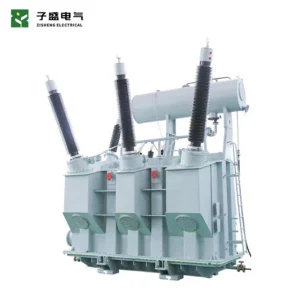
Which transformer energy efficiency level is the most cost-effective?
Customers often ask:
“With a limited budget, is Level 3 energy efficiency not a good option? It’ll work anyway.”
It’s usable, but it depends on how long it will be used.
For short-term or temporary projects, Level 3 energy efficiency can temporarily suffice.
However, if the equipment is to operate for 10, 20, or even 30 years or more, the energy efficiency level will directly impact electricity costs for those decades, and also affect new project acceptance, energy conservation reviews, and future subsidy applications.
When choosing a transformer, don’t rush to compare prices.
Understand the standards, model, losses, and application scenarios to determine which energy efficiency level is more cost-effective.

First, look at the standards: Level 3 is the minimum, Level 1 is more energy-efficient.

The new standard divides transformer energy efficiency into three levels:
Level 1: Highest energy efficiency.
Lowest operating losses, suitable for long-term operation, high electricity prices, and high energy consumption assessment scenarios.
Level 2 Energy Efficiency:
Advanced Energy Efficiency. Balancing equipment cost and operating losses, this is the mainstream choice for most engineering projects.
Level 3 Energy Efficiency:
Minimum Entry Standard. Meets basic compliance, but long-term operating costs are relatively higher.
In other words, when purchasing new transformers, first check if they meet Level 3 or higher energy efficiency standards. Products with energy efficiency below Level 3 are strictly prohibited from entering the market. For long-term projects, it is recommended to prioritize Level 1 or 2 energy efficiency.
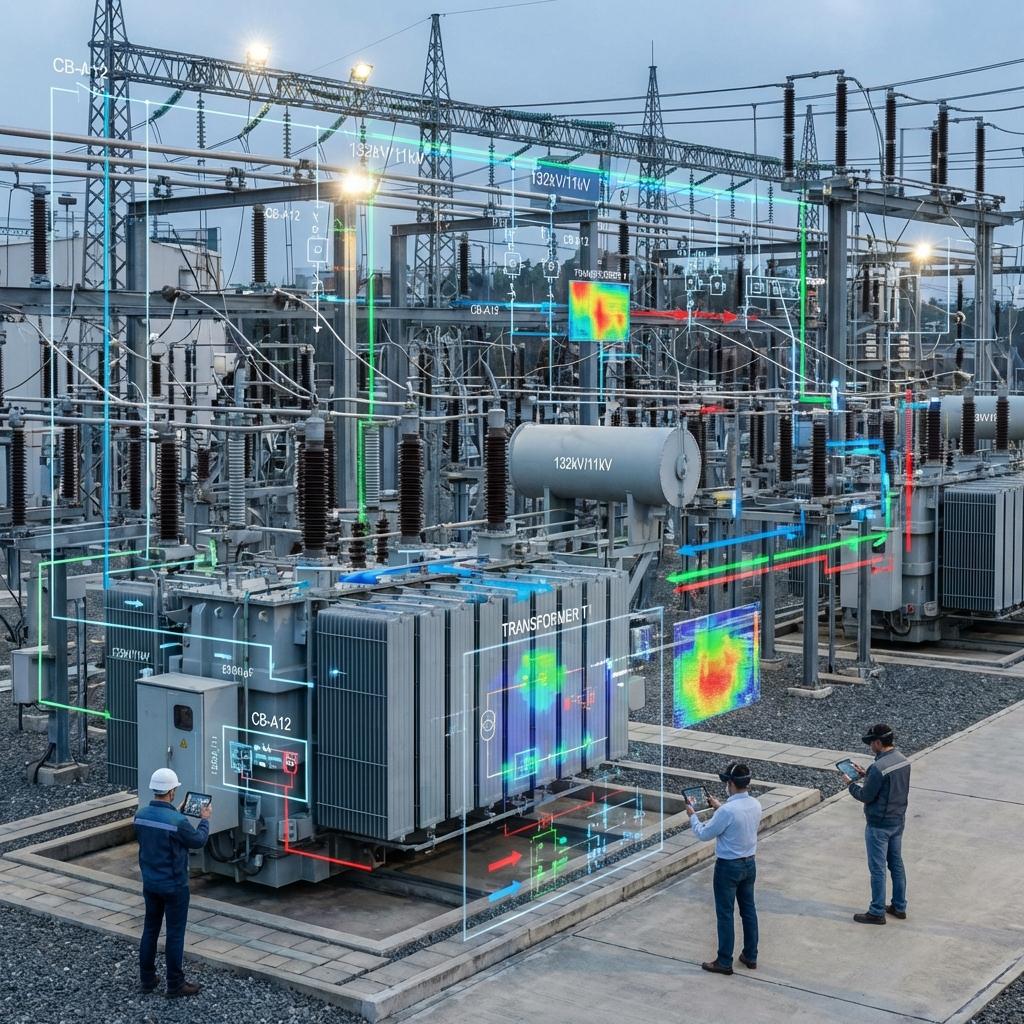
Secondly, check the model number: The higher the number, the more energy-efficient.
Within the same series, a larger number in the model number suffix usually indicates a newer technology, lower operating losses, and a higher energy efficiency level.
| Code Segment | Full Meaning in English |
|---|---|
| S | Three-phase |
| C | Cast resin molded (epoxy resin insulation system) |
| B | Foil-wound winding |
| H | Amorphous alloy core |
| 19 | Performance code: 19 |
| 2500 | Rated capacity: 2500 kVA |
| 10 | Rated voltage: 10 kV |
| NX1 | NX1: Class 1 energy efficiency |
| Type | Series Classification | Common Models for Class 1 Energy Efficiency | Common Models for Class 2 Energy Efficiency | Common Models for Class 3 Energy Efficiency |
|---|---|---|---|---|
| Dry-type | Silicon Steel Dry-Type Transformer | SCB18 | SCB14 | SCB12 |
| Dry-type | Amorphous Alloy Dry-Type Transformer | SCBH19 | SCBH17 | SCBH15 |
| Oil-immersed | Three-Phase Distribution Transformer | S22 | S20 | S13 |
| Legacy Dry-Type Models | Silicon Steel Dry-Type Transformer | SCB13(Class 1 under old standard, approx. equivalent to Class 2 new standard, replaced by SCB14) | SCB11(Class 2 under old standard, not recommended for new projects) | SCB10(High energy consumption per new standard, procurement & grid connection strictly prohibited) |
| Legacy Oil-Immersed Models | Three-Phase Distribution Transformer | — | — | S9 / S10 / S11(Common legacy models, not recommended for new projects) |
Note: SCB10, SCB11, SCB13, S9, S10, and S11 are common models under the old energy efficiency system and are no longer suitable for selection in new projects under the new energy efficiency system of GB 20052-2024.
Three aspects to consider: Where does energy saving mainly occur?
Transformer losses mainly consist of two parts:
- No-load loss, also called iron loss.
This occurs continuously as long as the equipment is powered on and is not significantly affected by the size of the downstream load. It mainly depends on the core material, core structure, and manufacturing process. This is especially important for projects with long-term power supply, low load rates, and long standby times.
- Load loss, also called copper loss.
This occurs when the equipment is under load; the higher the load, the more significant the loss. It mainly depends on the winding material, conductor cross-section, current magnitude, and heat dissipation design. This is crucial for continuous production and high-load operation scenarios.
The focus of losses differs under different operating conditions. For high-load operation, load loss is crucial; however, for projects with long-term energization, light loads, or long standby times, no-load loss is even more important.
Taking a 10kV / 2500kVA dry-type transformer as an example:
- Silicon steel sheet dry-type transformer:
SCB18 (Level 1 energy efficiency): No-load loss approximately 2080W
SCB14 (Level 2 energy efficiency): No-load loss approximately 2450W
SCB12 (Level 3 energy efficiency): No-load loss approximately 2880W
- Amorphous alloy dry-type transformer (significantly superior no-load loss):
SCBH19 (Level 1 energy efficiency): No-load loss approximately 840W
SCBH17 (Level 2 energy efficiency): No-load loss approximately 1020W
SCBH15 (Level 3 energy efficiency): No-load loss approximately 1200W
- Lifecycle Economic Comparison:
Taking a 2500kVA amorphous alloy dry-type transformer SCBH19 (Level 1 energy efficiency) from Zhongdian Electric as an example, compared with a silicon steel sheet dry-type transformer SCB18 (Level 1 energy efficiency) of the same capacity, the SCBH19, thanks to the ultra-low no-load loss advantage of its amorphous alloy core, saves approximately 10,862 kWh of electricity annually. Based on an industrial electricity price of approximately 1 yuan/kWh, this translates to annual savings of over 10,000 yuan in electricity costs.
If calculated over a 30-year operating cycle for the transformer, the cumulative savings in electricity costs could exceed 300,000 yuan. For projects with long-term energization, low load rates, and long no-load periods, the initial equipment investment can be fully recovered through subsequent energy-saving benefits.
Four Considerations: Choosing Between Dry-Type and Oil-Immersed Transformers?
- Dry-Type Transformers: Suitable for Indoor Safe Power Distribution Scenarios
Common Applications:
Underground parking garages, hospitals, shopping malls, data centers, high-rise buildings, rail transit, indoor power distribution rooms, etc.
SCB Series: Silicon steel core, mature and reliable, strong impact resistance
· SCB18: Level 1 energy efficiency, suitable for critical power distribution scenarios such as data centers, hospitals, and rail transit
· SCB14: Level 2 energy efficiency, suitable for conventional projects such as industrial parks, office buildings, and commercial complexes
· SCB12: Level 3 energy efficiency, suitable for budget-sensitive, short-cycle, or backup projects
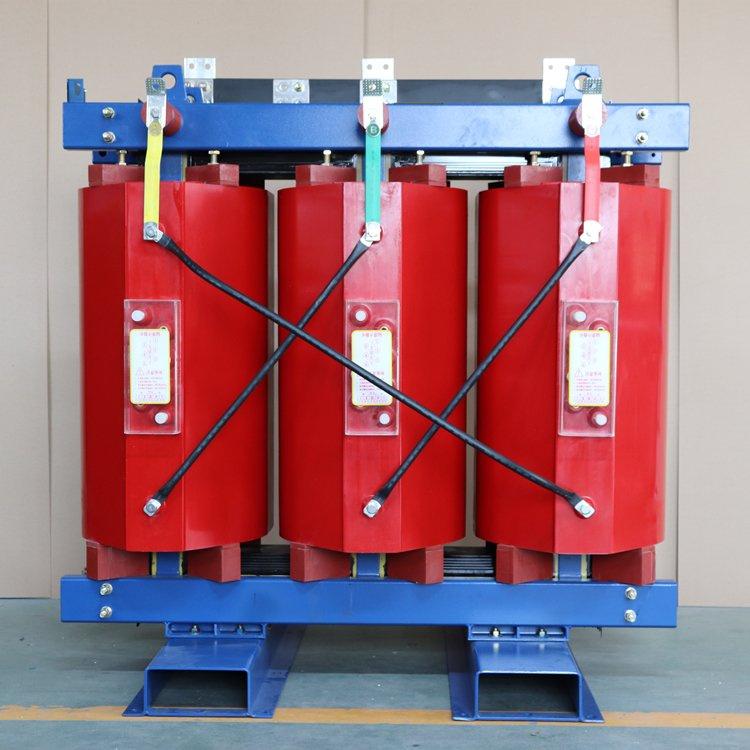
SCBH Series: Amorphous alloy core, focusing on low no-load loss
· SCBH19: Level 1 energy efficiency, suitable for uninterrupted operation scenarios such as energy-saving renovations, public buildings, and data centers
· SCBH17: Level 2 energy efficiency, suitable for industrial projects with energy-saving assessment requirements
· SCBH15: Level 3 energy efficiency, suitable for scenarios that further reduce standby loss while meeting compliance requirements
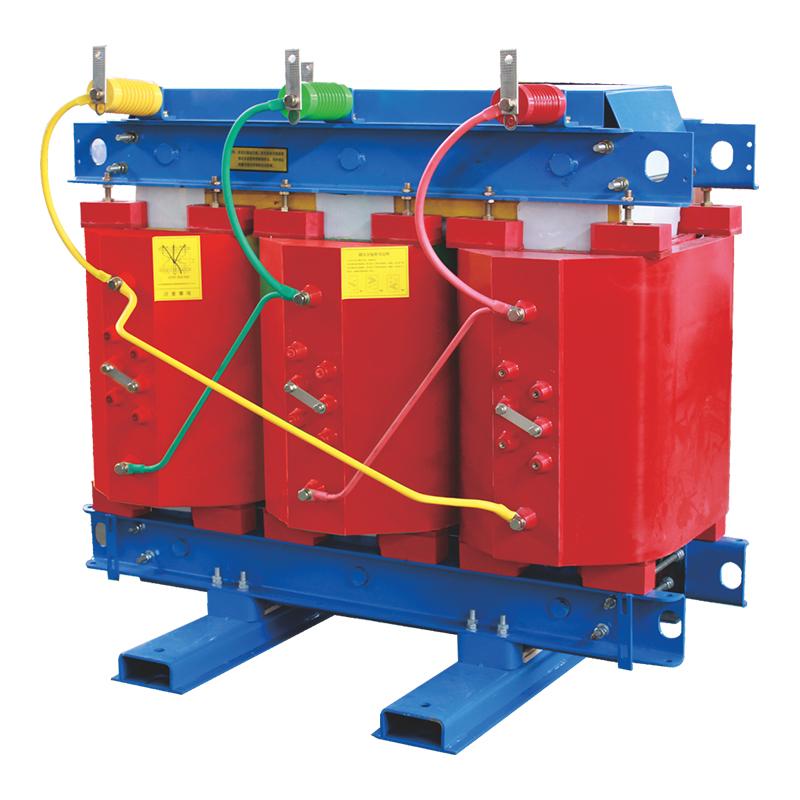
Oil-immersed transformers: Suitable for outdoor high-load scenarios
Common applications:
Industrial parks, outdoor power distribution, power grid projects, new energy power plants, large-scale production bases, etc.
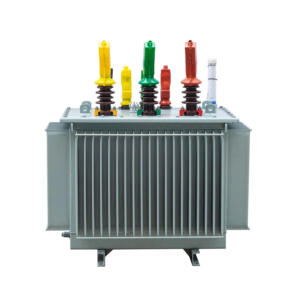
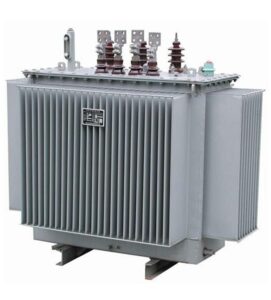
S Series: Excellent heat dissipation, strong overload capacity, mainstream for outdoor use.
- S22: Level 1 energy efficiency, suitable for high-electricity-price areas, renewable energy power plants, and continuously operating industrial projects.
- S20: Level 2 energy efficiency, suitable for mainstream projects such as industrial parks and outdoor power distribution.
- S13: Level 3 energy efficiency, suitable for projects with large load fluctuations, discontinuous power consumption, and budget sensitivity.
Transformer Energy Efficiency Selection: Remember These Points
Oil-immersed: S13 is the entry-level standard; prioritize S20/S22.
Dry-type: SCB12 is the entry-level standard; prioritize SCB14/SCB18.
Special Scenarios: For continuous power supply and low load rate projects, focus on SCBH17/SCBH19.
Policy Guidance: For projects involving energy conservation review, green rating, and subsidy application, it is recommended to directly choose Level 1 energy efficiency.
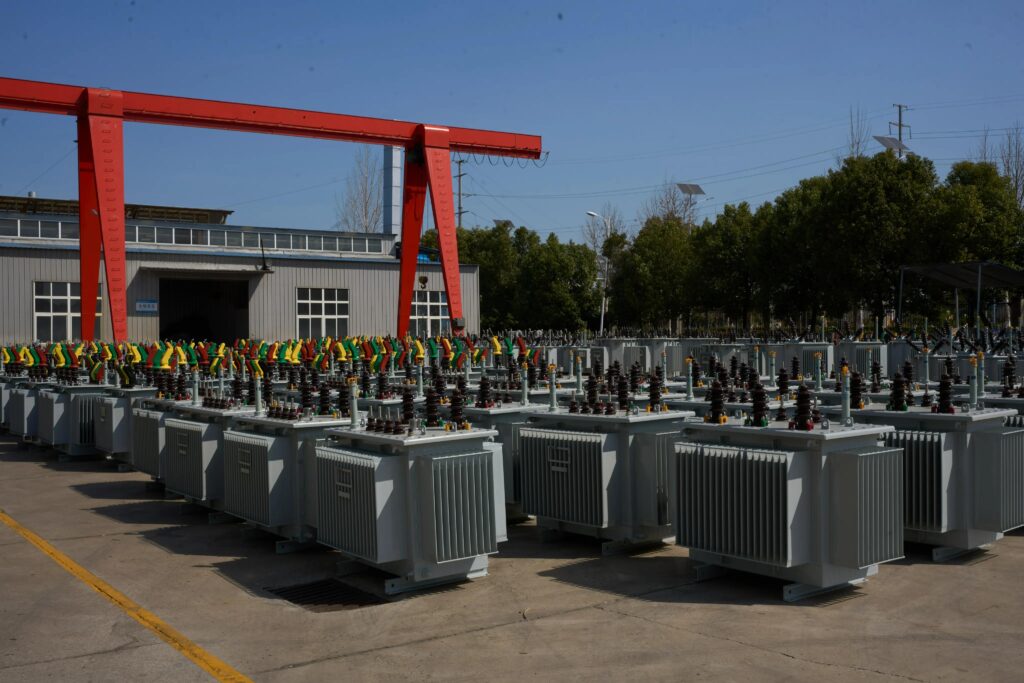
Hebei Zisheng Electric Co., Ltd. focuses on the research and development and production of high-efficiency energy-saving transformers, providing products from entry-level to Level 1 for different application scenarios. High-efficiency, complete power
About ZISHENG ELECTRICAL
Zisheng are a professional 19+ years manufacturer in producing Oil-Immersed Transformers, Compact Substation, Pad Mounted Transformers, Pole Mounted Transformers and Dry Type Transformers. We own the certificates of ISO/CE/IEC 60076 and TUV Rheinland.
Transformers undergo rigorous FAT and type testing, support voltage/capacity customization. Welcome to consult for Catalog and Product. you can contact us at email [email protected].