Autotransformer: How Does It Improve Efficiency in Modern Power Systems?
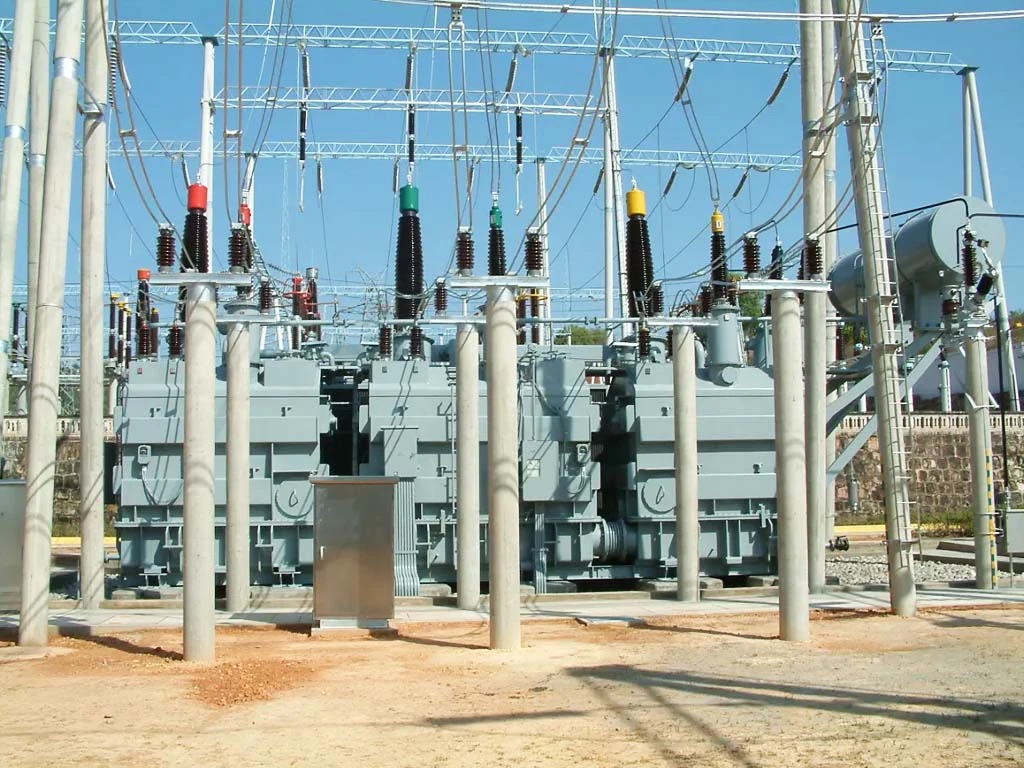
High energy losses and bulky transformer designs increase costs and reduce efficiency in power systems. Without optimized solutions, operations become expensive. An autotransformer offers a compact, efficient alternative for voltage regulation.
An autotransformer is a single winding transformer that uses a shared coil for both primary and secondary functions. It provides efficient voltage regulation, reduced material usage, and high performance, making it widely used in power transmission systems, industrial applications, and substation operations.
Understanding its design, working principle, and applications helps optimize system efficiency and reduce operational costs.
Autotransformer: Definition, Working Principle, and Key Applications
An autotransformer is a type of single winding transformer where part of the winding serves as both the primary and secondary circuit. Unlike conventional transformers, it does not provide electrical isolation but offers a more compact and efficient solution.
This design is commonly used in voltage regulation transformers within power transmission systems, where minor voltage adjustments are required. It is also widely applied in industrial power transformers, motor starting systems, and substation transformers.
Due to its compact size and efficiency, the autotransformer is frequently used in medium voltage transformers and high voltage autotransformers, supporting reliable performance across power grid infrastructure.
Types of Autotransformers in Power and Industrial Systems
There are several types of autotransformer designs based on application requirements. These include fixed-ratio autotransformers and variable autotransformers, also known as Variacs.
Fixed autotransformers are commonly used in power transmission systems for voltage regulation, while variable types allow adjustable output voltage for testing and industrial processes. In large-scale applications, high voltage autotransformers are used in substations to connect different voltage levels.
In industrial environments, these transformers serve as industrial power transformers for motor control and voltage stabilization. Their flexibility and efficiency make them essential components in modern electrical engineering solutions.
How Autotransformers Work Compared to Isolation Transformers
Understanding how an autotransformer operates highlights its efficiency advantages. It uses a single continuous winding with taps at different points to provide varying voltage levels.
Compared to isolation transformers, which use separate windings, autotransformers transfer energy both electrically and magnetically. This reduces copper usage and improves electrical transformer efficiency.
However, the lack of electrical isolation means they are not suitable for applications requiring high safety levels. Despite this limitation, their efficiency and compact design make them ideal for many power transmission systems and voltage regulation tasks.
Design and Technical Specifications of Autotransformers
The auto transformer design focuses on optimizing efficiency, size, and cost. Key parameters include voltage ratio, power capacity, insulation level, and cooling method.
Engineers must carefully consider application requirements when designing medium voltage transformers or high voltage autotransformers. Proper transformer design and construction ensures reliability and long service life.
Modern energy-efficient transformers incorporate advanced materials to reduce losses and improve performance. These improvements enhance compatibility with evolving power grid infrastructure and support sustainable energy systems.
Advantages and Limitations of Autotransformers in Power Systems
The autotransformer offers several advantages, including high electrical transformer efficiency, reduced size, and lower material costs. Its compact design makes it suitable for installations where space is limited.
It is also highly effective in voltage regulation transformers, providing smooth and efficient voltage control. These features make it a preferred choice in many industrial power transformers and transmission applications.
However, the main limitation is the lack of electrical isolation, which may pose safety risks in certain applications. Despite this, its benefits often outweigh its limitations in appropriate use cases within power grid infrastructure.
Future Trends in Autotransformer Technology and Smart Grids
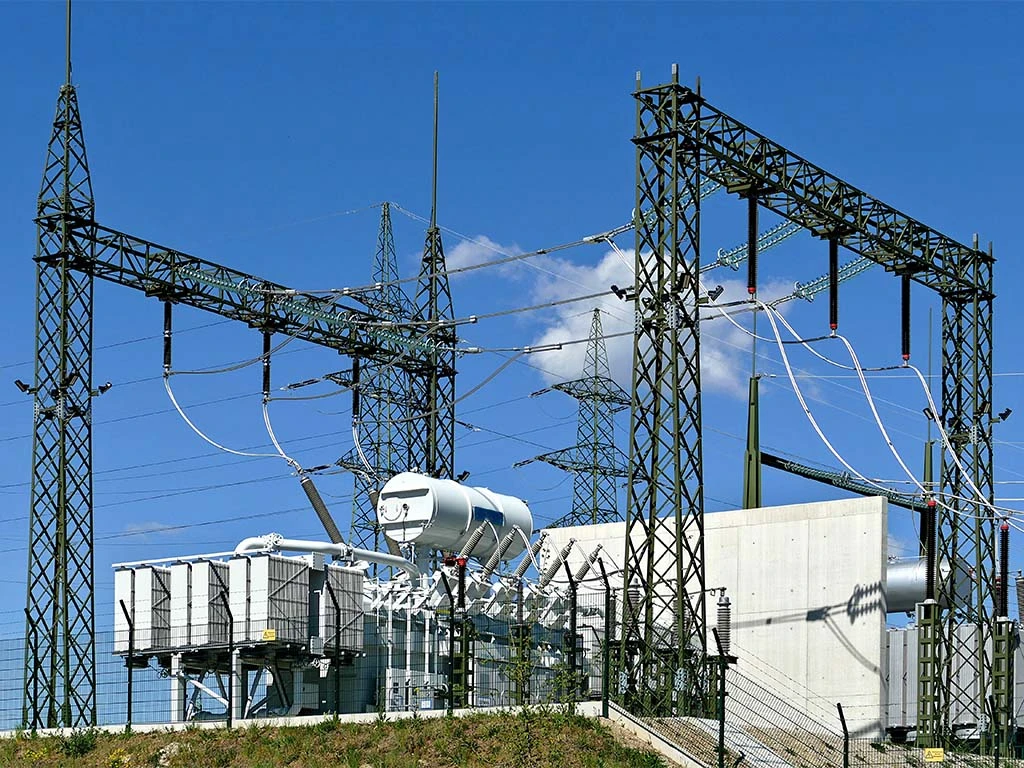
The future of autotransformer technology is closely linked to advancements in smart grid integration and modern energy systems. As demand for efficient power solutions increases, these transformers will play a key role in improving system performance.
Innovations in materials and monitoring systems are enhancing the capabilities of energy-efficient transformers, reducing losses and increasing reliability. Their application in renewable energy and advanced grid systems continues to expand.
With the evolution of electrical engineering solutions, autotransformers will remain essential in optimizing voltage control and supporting efficient power distribution in modern networks.
Conclusion
Autotransformers provide efficient, compact voltage regulation, making them essential for cost-effective and reliable power transmission and modern electrical systems.
About ZISHENG ELECTRICAL
Zisheng are a professional 19+ years manufacturer in producing Oil-Immersed Transformers, Compact Substation, Pad Mounted Transformers, Pole Mounted Transformers and Dry Type Transformers. We own the certificates of ISO/CE/IEC 60076 and TUV Rheinland.
Transformers undergo rigorous FAT and type testing, support voltage/capacity customization. Welcome to consult for Catalog and Product. you can contact us at email [email protected].