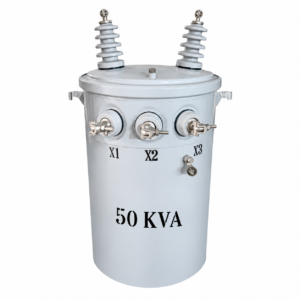
Isolation Transformer: How Can It Improve Electrical Safety and Power Quality?
Electrical faults, noise interference, and grounding issues can damage equipment and disrupt operations. Without proper isolation, systems face safety risks and costly failures. Isolation transformers provide reliable protection and stable performance.
An isolation transformer is a device designed to transfer electrical power while providing galvanic isolation between circuits. It enhances safety, reduces electrical noise, and protects sensitive equipment, making it essential in industrial, medical, and electronic applications requiring stable and secure power supply.
Understanding its functionality and applications helps ensure optimal system protection and efficient energy usage.
Isolation Transformer: Definition, Features, and Key Applications
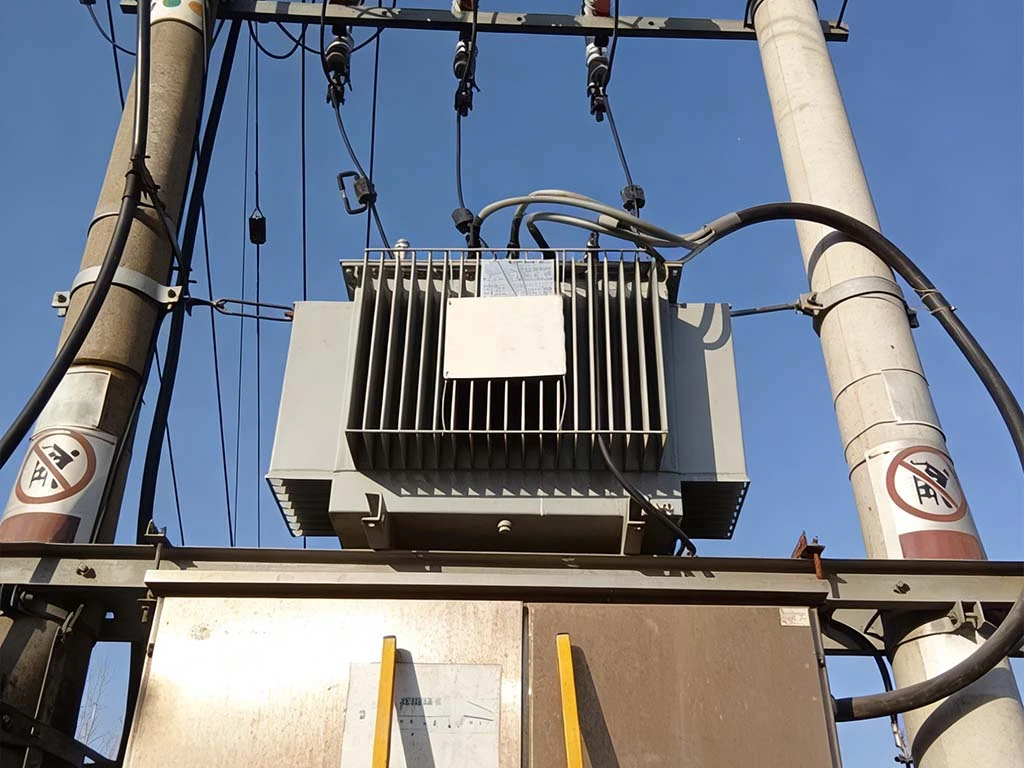
An isolation transformer is a type of transformer specifically designed to provide electrical isolation between its primary and secondary windings. This separation prevents direct electrical connection, ensuring galvanic isolation, which enhances safety and reduces the risk of electric shock.
These transformers are widely used as power isolation transformers in industrial systems, commercial facilities, and sensitive environments. Common applications include industrial isolation transformers for machinery, medical isolation transformers in hospitals for patient safety, and audio isolation transformers for signal clarity.
They are essential electrical protection devices in systems where voltage stability and safety are critical. Additionally, they are often integrated into power conditioning equipment to improve overall system reliability and performance.
Types of Isolation Transformers in Power and Electronic Systems
There are various types of isolation transformer designs tailored to different applications. These include single-phase and three-phase units, depending on power requirements and system configurations.
Power isolation transformers are typically used in large-scale distribution systems, while smaller units serve electronic devices and control systems. Industrial isolation transformers are designed for heavy-duty operations, whereas medical isolation transformers meet strict safety and regulatory standards.
Specialized transformers such as audio isolation transformers are used for signal transmission and ground loop isolation, reducing interference in communication systems. Each type is designed with specific transformer safety systems to ensure reliable operation across different environments.
How Isolation Transformers Work and Ensure Electrical Safety
To understand how an isolation transformer operates, it is important to examine the principle of electromagnetic induction. Electrical energy is transferred from the primary winding to the secondary winding through a magnetic field, without a direct electrical connection.
This process provides effective voltage isolation solutions, preventing current from flowing directly between circuits. As a result, it significantly enhances electrical isolation and reduces the risk of electrical shock.
One of the key benefits is electrical noise reduction, which protects sensitive equipment from voltage spikes and interference. Additionally, ground loop isolation helps eliminate unwanted current paths, improving system stability and performance in complex electrical networks.
Design and Technical Specifications of Isolation Transformers
The transformer design and construction of isolation transformers focus on safety, efficiency, and durability. Key specifications include voltage rating, power capacity, insulation class, and efficiency levels.
High-quality insulation materials are used to ensure effective galvanic isolation and long-term reliability. Engineers must carefully evaluate load requirements and environmental conditions when selecting appropriate models.
Modern designs emphasize energy-efficient transformers, reducing power losses and improving operational efficiency. Additional features such as shielding and filtering components further enhance electrical noise reduction, making them suitable for sensitive applications.
These technical considerations ensure that isolation transformers meet the demands of modern power systems and specialized industries.
Installation, Maintenance, and Safety Considerations for Isolation Transformers
Proper installation is essential for maximizing the performance of an isolation transformer. These units are often installed as part of power conditioning equipment or integrated into distribution panels.
Installation guidelines include proper grounding, ventilation, and load balancing to ensure safe and efficient operation. As critical electrical protection devices, they must comply with safety standards and regulations.
Maintenance requirements are generally minimal but include routine inspections and testing to ensure continued performance. Their robust transformer safety systems help prevent failures and extend service life, making them reliable for long-term use.
Future Trends in Isolation Transformer Technology and Power Systems
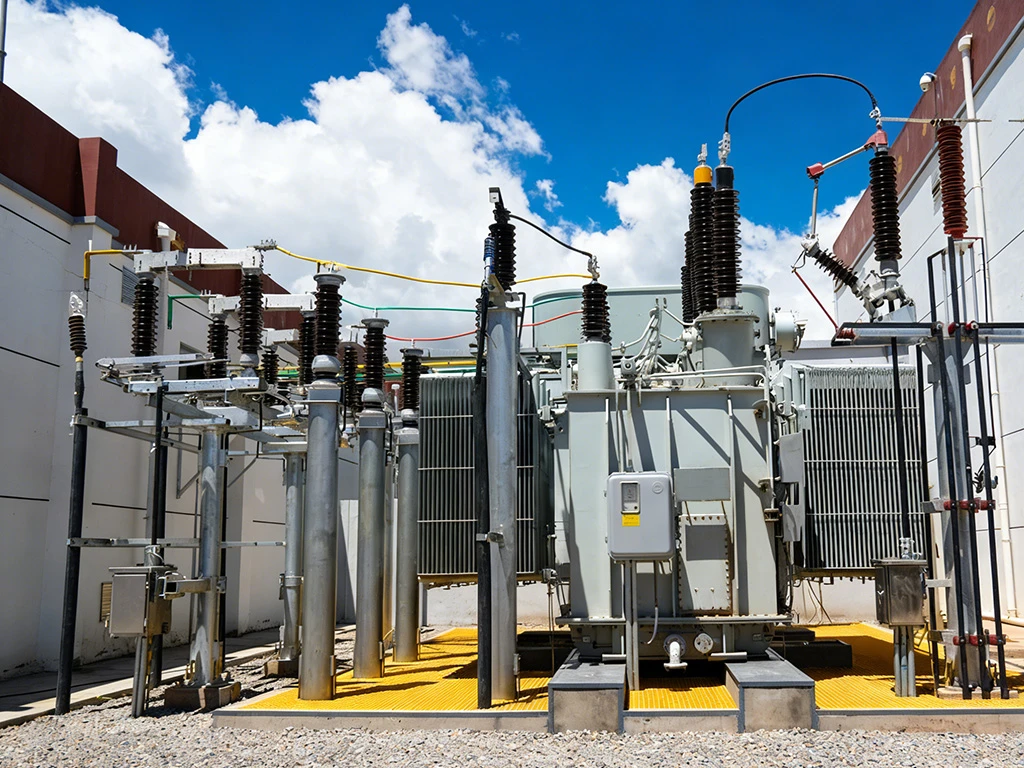
The future of isolation transformer technology is driven by increasing demand for safety, efficiency, and smart power systems. As industries adopt digital technologies, these transformers are becoming more integrated with monitoring and control systems.
Advancements in materials and design are improving the performance of energy-efficient transformers, reducing losses and enhancing durability. Their role in renewable energy systems and advanced power conditioning equipment continues to expand.
With the growth of smart grids and automation, isolation transformers will remain essential for ensuring stable and secure power distribution. Their importance in modern electrical infrastructure is expected to grow significantly.
Conclusion
Isolation transformers enhance safety, reduce interference, and ensure reliable power, making them essential for modern electrical systems and critical applications.
About ZISHENG ELECTRICAL
Zisheng are a professional 19+ years manufacturer in producing Oil-Immersed Transformers, Compact Substation, Pad Mounted Transformers, Pole Mounted Transformers and Dry Type Transformers. We own the certificates of ISO/CE/IEC 60076 and TUV Rheinland.
Transformers undergo rigorous FAT and type testing, support voltage/capacity customization. Welcome to consult for Catalog and Product. you can contact us at email [email protected].