How Can Digital Monitoring Integration Improve Efficiency and Reliability in Modern Industrial Systems?
Lack of visibility, delayed fault detection, and manual inspections reduce efficiency. These issues cause downtime, higher costs, and failures. Digital monitoring integration enables real-time insights and proactive control.
Digital monitoring integration combines IoT, sensors, and analytics to enable real-time data tracking, predictive maintenance, and system optimization. It enhances operational efficiency, reduces downtime, and supports smarter decision-making across industrial and energy systems.
Understanding its capabilities is essential for achieving intelligent and efficient operations.
Digital Monitoring Integration: Key Technologies and Applications
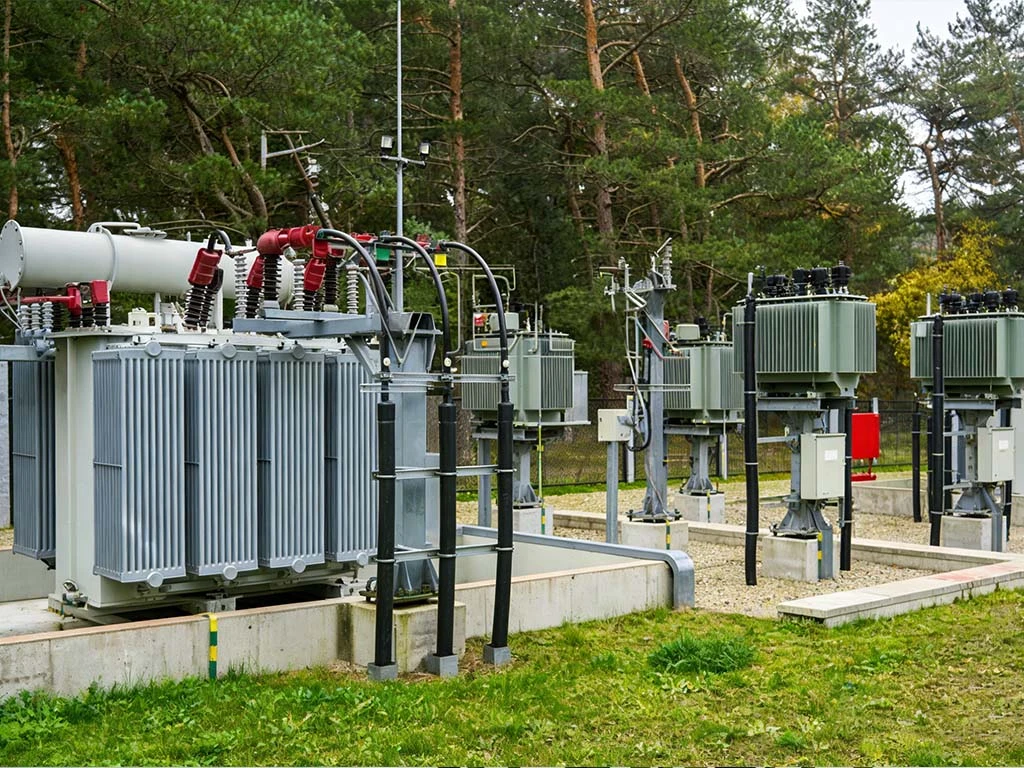
Digital monitoring systems are transforming modern industries by enabling continuous visibility into equipment and processes. These systems rely on industrial IoT (IIoT) technologies to connect devices, collect data, and provide actionable insights.
Key applications include manufacturing, energy, utilities, and infrastructure. Through real-time data monitoring, operators can track performance metrics, detect anomalies, and respond quickly to changing conditions. This capability significantly improves system reliability and reduces operational risks.
In energy sectors, digital monitoring supports grid stability and transformer performance, while in manufacturing, it enhances production efficiency. The adoption of remote monitoring solutions also allows operators to manage assets across multiple locations without physical presence.
These technologies are driving the broader trend of digital transformation in industry, enabling smarter, more connected operations.
How Digital Monitoring Improves Operational Efficiency and Performance
Digital monitoring significantly enhances operational efficiency by providing continuous data visibility and enabling data-driven decision-making. With real-time data monitoring, operators can identify inefficiencies and optimize system performance instantly.
One of the key benefits is the implementation of predictive maintenance systems, which analyze equipment data to predict failures before they occur. This reduces unplanned downtime and maintenance costs.
Additionally, digital monitoring supports asset performance management by tracking equipment health and optimizing usage. Integration with automation and control systems further improves efficiency by enabling automatic responses to system changes.
By leveraging these capabilities, organizations can achieve higher productivity, lower operational costs, and improved system reliability.
Core Components of Digital Monitoring Systems (IoT, Sensors, Analytics)
The effectiveness of digital monitoring systems depends on several core components. Smart sensors and devices are responsible for collecting real-time data such as temperature, pressure, and voltage.
This data is transmitted through industrial IoT (IIoT) networks to centralized platforms for analysis. Data analytics platforms process this information to generate insights, detect anomalies, and support decision-making.
In many cases, these systems integrate with SCADA systems, providing centralized monitoring and control capabilities. Additionally, cloud-based monitoring solutions enable scalable data storage and remote access, making it easier to manage distributed assets.
Together, these components form the backbone of modern condition monitoring technology, enabling efficient and reliable system operation.
Integration of Digital Monitoring in Industrial and Energy Systems
Digital monitoring is widely integrated across industrial and energy sectors to enhance performance and reliability. In power systems, it supports energy management systems (EMS) by providing real-time data for load balancing and optimization.
In industrial environments, integration with automation and control systems allows seamless coordination between equipment and processes. This improves efficiency and reduces manual intervention.
Digital monitoring also plays a key role in smart infrastructure monitoring, enabling cities and utilities to manage resources more effectively. By combining remote monitoring solutions with advanced analytics, organizations can monitor assets across large geographic areas.
This integration is a critical component of digital transformation in industry, driving innovation and operational excellence.
Challenges in Implementing Digital Monitoring Solutions
Despite its advantages, implementing digital monitoring comes with several challenges. One major issue is the complexity of integrating new technologies with existing systems, particularly legacy infrastructure.
Data security is another concern, as increased connectivity through industrial IoT (IIoT) networks can expose systems to cyber threats. Ensuring secure communication and data protection is essential.
The cost of deploying smart sensors and devices and upgrading infrastructure can also be a barrier, especially for smaller organizations. Additionally, managing large volumes of data requires advanced data analytics platforms and skilled personnel.
These challenges must be addressed to fully realize the benefits of digital monitoring and ensure successful implementation.
Future Trends in Digital Monitoring and Smart Infrastructure
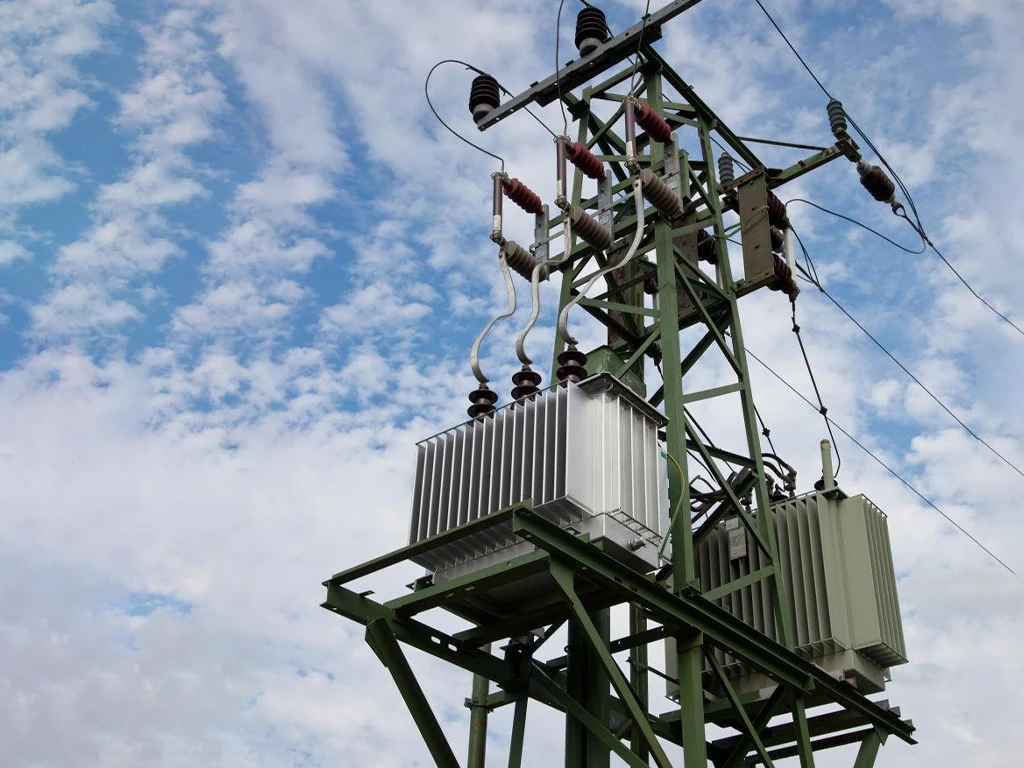
The future of digital monitoring systems is closely linked to advancements in AI, IoT, and cloud computing. These technologies will enable more intelligent and autonomous monitoring solutions.
The adoption of cloud-based monitoring solutions will continue to grow, providing scalable and flexible platforms for data management. Integration with AI-driven analytics will enhance predictive maintenance systems and improve decision-making.
In addition, the expansion of smart infrastructure monitoring will support the development of smart cities and sustainable energy systems. These trends are accelerating the pace of digital transformation in industry, creating more efficient and resilient operations.
As technology evolves, digital monitoring will become an essential component of modern industrial and energy systems.
Conclusion
Digital monitoring integration enables smarter, more efficient, and reliable operations, driving the future of intelligent industrial and energy systems.
About ZISHENG ELECTRICAL
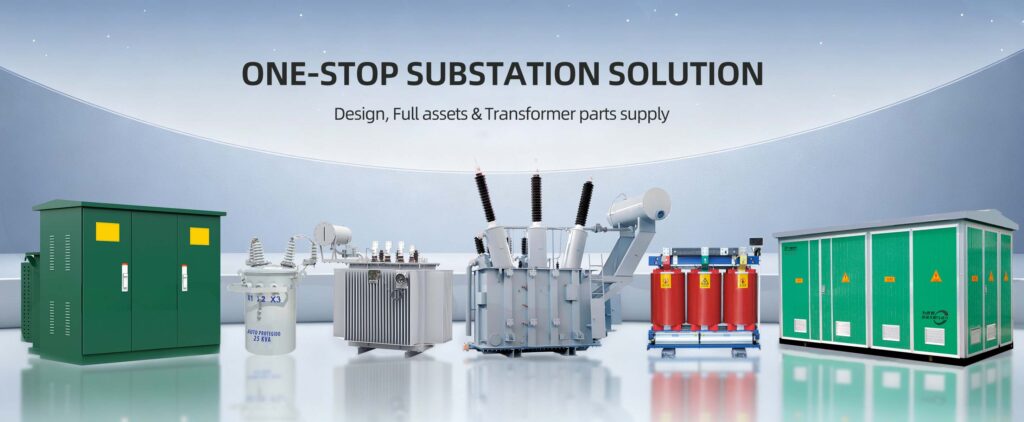
Zisheng are a professional 19+ years manufacturer in producing Oil-Immersed Transformers, Compact Substation, Pad Mounted Transformers, Pole Mounted Transformers and Dry Type Transformers. We own the certificates of ISO/CE/IEC 60076 and TUV Rheinland.
Transformers undergo rigorous FAT and type testing, support voltage/capacity customization. Welcome to consult for Catalog and Product. you can contact us at email [email protected].