How Can Grid Modernization Solve Today’s Power System Challenges?
Aging grids struggle with instability, inefficiency, and rising demand. These issues cause outages and financial losses. Implementing modern solutions ensures reliability, efficiency, and sustainable power development.
Grid modernization involves upgrading traditional power systems with digital technologies, automation, and smart infrastructure. It enhances energy efficiency in power systems, improves grid reliability and resilience, and supports renewable energy integration through advanced metering infrastructure (AMI), grid automation systems, and distributed energy resources (DERs), enabling scalable and sustainable future energy systems.
To fully understand its impact, it is essential to explore the technologies, benefits, and challenges shaping modern power grids.
What Is Grid Modernization? Definition, Benefits, and Key Technologies
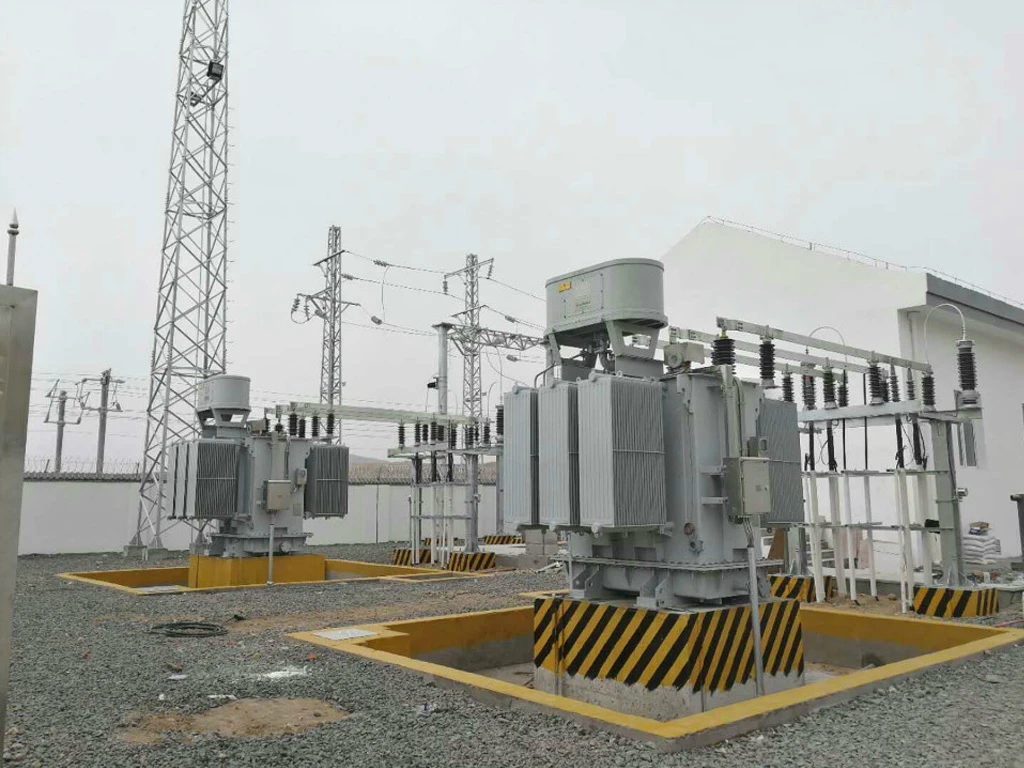
Grid modernization refers to the transformation of traditional electricity networks into a more intelligent and efficient digital power grid. This process incorporates advanced tools and systems to improve performance, flexibility, and reliability.
At its core, grid modernization integrates grid modernization technologies such as real-time monitoring systems, automation, and data analytics. These innovations allow utilities to detect faults quickly, optimize energy flow, and improve operational efficiency. A key component of this transformation is smart grid infrastructure, which connects devices, substations, and control centers into a unified network.
Another essential element is advanced metering infrastructure (AMI), which enables two-way communication between utilities and consumers. This improves billing accuracy, demand response, and energy management. Additionally, grid automation systems allow self-healing capabilities, reducing outage duration and improving service reliability.
The benefits of grid modernization include enhanced energy efficiency in power systems, reduced operational costs, improved system visibility, and better integration of renewable energy sources. These improvements make power systems more resilient and adaptable to changing energy demands.
Smart Grid Technologies Driving Grid Modernization in 2026
In 2026, the advancement of smart technologies is accelerating the adoption of modern energy systems. These innovations are the backbone of energy grid modernization solutions and are transforming how electricity is generated, distributed, and consumed.
One of the most important developments is the widespread deployment of advanced metering infrastructure (AMI), which provides real-time consumption data and enables dynamic pricing models. This helps utilities manage demand more effectively and reduce peak load stress.
Another key technology is grid automation systems, which use sensors and intelligent controls to monitor network performance continuously. These systems can automatically isolate faults and restore power, significantly improving grid reliability and resilience.
The integration of Internet of Things (IoT) devices also plays a critical role. Smart sensors and connected equipment provide valuable data that supports predictive maintenance and operational optimization. Furthermore, artificial intelligence and machine learning are being used to analyze grid data, forecast demand, and enhance decision-making.
Together, these technologies are shaping a highly responsive and efficient smart grid infrastructure capable of meeting future energy needs.
How Grid Modernization Improves Energy Efficiency and Grid Reliability
Grid modernization significantly enhances both efficiency and reliability, addressing key challenges faced by traditional power systems. By leveraging digital technologies, utilities can optimize operations and reduce energy losses.
One of the primary advantages is improved energy efficiency in power systems. Real-time monitoring allows operators to identify inefficiencies and adjust energy distribution accordingly. This reduces transmission losses and ensures optimal use of available resources.
Modern systems also enhance grid reliability and resilience. Automated fault detection and self-healing capabilities minimize downtime and ensure faster restoration of service. Predictive maintenance, enabled by data analytics, helps prevent equipment failures before they occur.
Demand response programs further contribute to efficiency by balancing supply and demand. Consumers can adjust usage based on real-time pricing signals, reducing strain on the grid during peak periods.
Overall, grid modernization creates a more stable and efficient energy network capable of handling increasing demand and complexity.
Renewable Energy Integration and Its Role in Modern Power Grids
The transition to sustainable energy systems depends heavily on effective renewable energy integration. Modern grids are designed to accommodate variable energy sources such as solar and wind, which are essential for reducing carbon emissions.
One of the key enablers of this integration is the use of distributed energy resources (DERs). These include rooftop solar panels, wind turbines, and energy storage systems that generate electricity closer to the point of consumption. This decentralization improves system flexibility and reduces transmission losses.
However, renewable energy sources are inherently variable, which presents challenges for grid stability. Advanced control systems and energy storage technologies help balance supply and demand, ensuring consistent power delivery.
Grid modernization also supports the development of microgrids, which can operate independently or alongside the main grid. These systems enhance resilience and provide reliable power in remote or critical areas.
By enabling seamless integration of renewables, modern grids play a crucial role in achieving global sustainability goals.
Top Challenges in Grid Modernization (Costs, Cybersecurity, Infrastructure)
Despite its advantages, grid modernization presents several significant challenges that must be addressed for successful implementation.
One of the primary concerns is the high grid modernization costs associated with upgrading infrastructure and deploying new technologies. These investments can be substantial, particularly for developing regions with limited financial resources.
Another critical issue is power grid cybersecurity. As grids become more connected and digitalized, they are increasingly vulnerable to cyber threats. Protecting sensitive data and ensuring system security requires robust cybersecurity measures and continuous monitoring.
Legacy infrastructure also poses a challenge. Integrating modern technologies with outdated systems can be complex and costly. In many cases, complete electric grid upgrades are necessary to support new capabilities.
Additionally, there is a shortage of skilled professionals capable of managing advanced grid systems. This skills gap can slow down implementation and increase operational risks.
Addressing these challenges requires strategic planning, investment, and collaboration across the energy sector.
Future Trends in Grid Modernization and Digital Energy Transformation
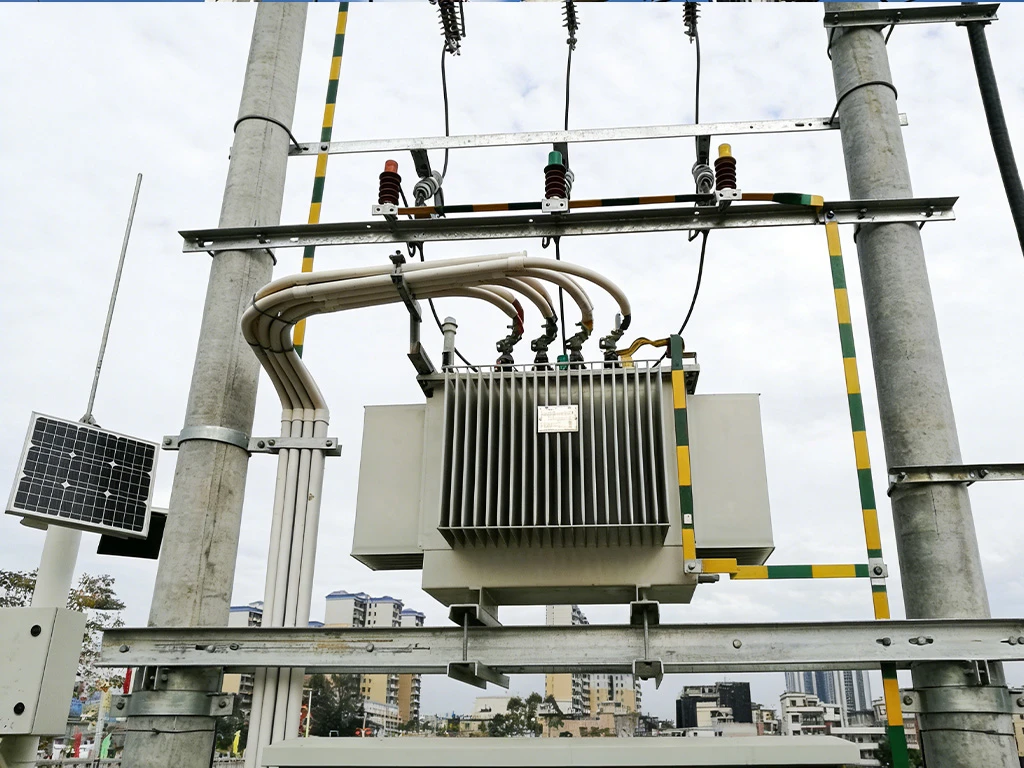
The future of grid modernization is closely tied to ongoing technological innovation and the global shift toward sustainable energy. Several key trends are expected to shape the evolution of power systems in the coming years.
One major trend is utility digital transformation, where utilities adopt advanced digital tools to improve efficiency, customer service, and operational performance. This transformation is essential for managing increasingly complex energy networks.
The expansion of smart grid infrastructure will continue, enabling greater connectivity and real-time data exchange across the grid. This will support more efficient energy management and improved decision-making.
Another important development is the growth of distributed energy resources (DERs), which will further decentralize energy production and enhance system flexibility. Coupled with energy storage solutions, DERs will play a vital role in balancing supply and demand.
Ongoing electric grid upgrades will increase capacity and support the integration of new technologies. At the same time, innovations such as artificial intelligence, blockchain, and advanced analytics will strengthen future energy systems.
These trends indicate a shift toward more intelligent, resilient, and sustainable power networks.
Conclusion
Grid modernization enables efficient, resilient, and sustainable power systems, supporting digital transformation and meeting the demands of future energy systems.
About ZISHENG ELECTRICAL
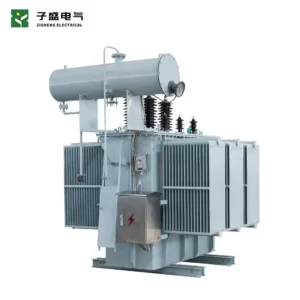
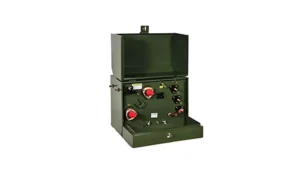
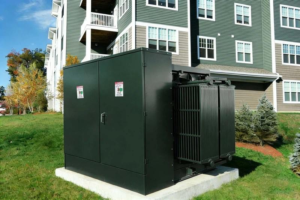
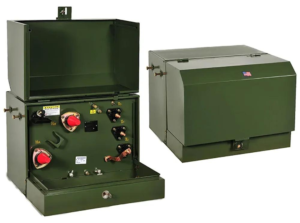
Zisheng are a professional 19+ years manufacturer in producing Oil-Immersed Transformers, Compact Substation, Pad Mounted Transformers, Pole Mounted Transformers and Dry Type Transformers. We own the certificates of ISO/CE/IEC 60076 and TUV Rheinland.
Transformers undergo rigorous FAT and type testing, support voltage/capacity customization. Welcome to consult for Catalog and Product. you can contact us at email [email protected].