Transformer for Solar Power Plant: How to Choose the Right One for Maximum Efficiency?
Solar projects often suffer from mismatched transformers, causing energy losses, instability, and failed grid compliance. These issues reduce ROI. The right transformer ensures efficient transmission and long-term performance.
Transformers in solar power plants are mainly used to step up the voltage for efficient grid transmission, ensuring minimal losses and stable integration into medium and high voltage networks. Proper selection, design, and maintenance of solar transformers significantly improve system efficiency, reliability, and compliance with grid standards.
Understanding transformer selection, specifications, and performance factors helps investors and EPC contractors avoid costly mistakes and optimize solar plant output.
Types of Transformers Used in Solar Power Plants
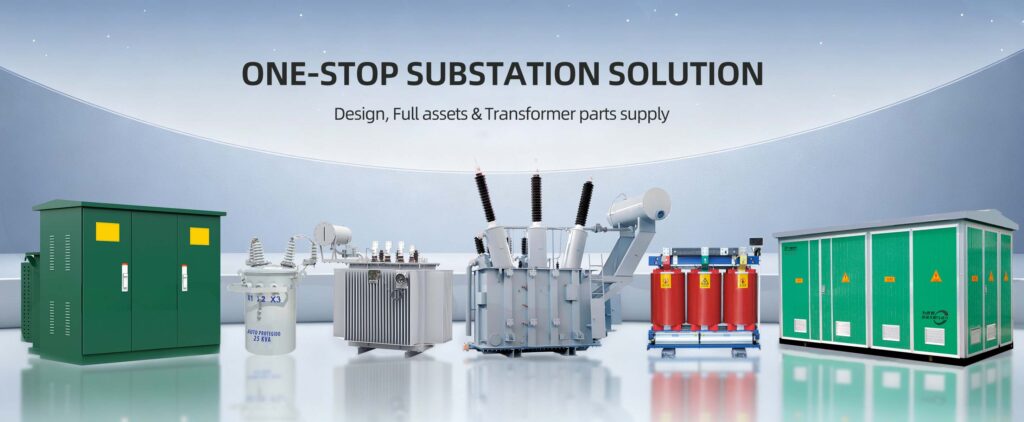
Solar power plants utilize several types of transformers depending on system design, environmental conditions, and safety requirements. The most common categories include oil-filled transformers and dry type transformers. Oil-filled transformers are widely used in large-scale solar farms due to their superior cooling performance and ability to handle high loads. They are ideal for outdoor installations where efficiency and durability are critical.
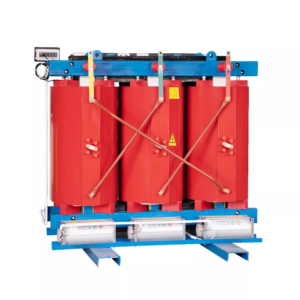
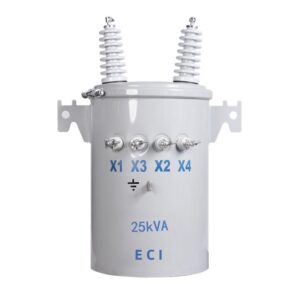
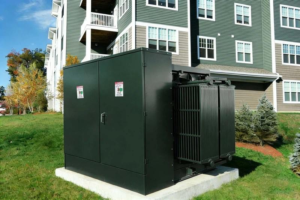
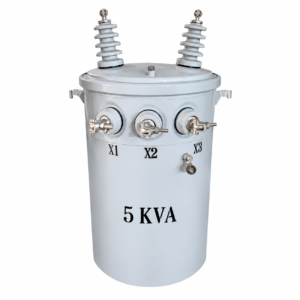
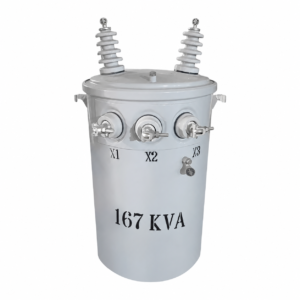
Dry type transformers, on the other hand, are preferred in environments where fire safety and environmental protection are priorities, such as rooftop solar systems or indoor substations. Pole mounted transformers and pad mounted transformers are also frequently applied in distributed solar projects.
Each type is designed to meet specific operational demands. Solar transformers must be capable of withstanding harsh outdoor environments, including high temperatures and humidity, ensuring reliable performance over long operational cycles.
Key Technical Specifications for Solar Transformers
Selecting a transformer for a solar power plant requires careful evaluation of several technical parameters. These include rated capacity, voltage ratio, impedance, insulation class, and cooling method. Selecting the right transformer capacity is essential for optimizing the performance of a solar power plant, as undersized or oversized units can lead to inefficiencies and increased costs.
Voltage ratings must align with both inverter output and grid requirements. Additionally, insulation systems must be robust enough to handle environmental stress and electrical loads. Proper insulation and cooling systems are essential to ensure the long-term reliability of solar transformers.
Grid connection requirements and local regulations can also influence transformer design and configuration. Compliance with international standards ensures smooth project approval and long-term operational stability.
Step-Up Transformers for Grid Connection
Step-up transformers play a critical role in connecting solar generation systems to medium and high voltage grids. Since solar panels generate electricity at relatively low voltages, transformers are necessary to increase this voltage for efficient transmission over long distances.
Without proper voltage step-up, energy losses during transmission would be significant, reducing the overall efficiency of the solar power plant. Transformers in solar power plants are mainly used to step up the voltage for efficient grid transmission, making them indispensable in utility-scale projects.
These transformers must also ensure compatibility with grid infrastructure. Stability, synchronization, and protection features are essential to avoid disruptions. Properly designed step-up transformers enable seamless integration into the power grid while maintaining consistent energy output.
Transformer Selection Based on Solar Plant Capacity
The capacity of a solar power plant directly determines the size and type of transformer required. Small distributed systems may use compact or pole mounted transformers, while large utility-scale projects require high-capacity substation transformers.
Selecting the right transformer capacity is essential for optimizing the performance of a solar power plant. An improperly sized transformer can lead to overheating, reduced efficiency, or unnecessary capital expenditure. Engineers must consider load profiles, future expansion, and operational margins when selecting capacity.
In addition, project developers must evaluate installation space, environmental conditions, and connection points. Proper transformer selection ensures that the system operates efficiently under varying load conditions while maintaining long-term reliability.
Efficiency, Losses, and Performance Optimization
Transformer efficiency is a critical factor in solar power generation. Transformer losses, including no-load losses and load losses, directly impact the efficiency of solar power generation. Even small inefficiencies can result in significant energy loss over time.
High-efficiency transformers help reduce energy losses and improve the overall output of solar energy systems. Advanced core materials, optimized winding designs, and improved cooling technologies contribute to better performance.
Performance optimization also involves minimizing temperature rise and ensuring stable operation under fluctuating solar generation conditions. Selecting transformers with low loss characteristics not only improves energy output but also reduces operational costs, making the entire solar project more profitable.
Installation, Protection, and Maintenance Requirements
Proper installation and maintenance are essential for ensuring the long-term performance of solar transformers. Installation must consider environmental exposure, ventilation, and accessibility for inspection. Solar transformers must be designed to withstand outdoor environments, including high temperatures and humidity.
Protection systems such as surge arresters, differential protection, and temperature monitoring devices are necessary to prevent damage from electrical faults. These systems ensure safe and stable operation under various conditions.
Regular maintenance and monitoring systems help ensure stable operation of transformers in solar power plants. Routine inspections, oil testing (for oil-filled units), and thermal monitoring can identify potential issues before they become critical. A well-maintained transformer significantly extends service life and ensures consistent energy delivery.
Conclusion
Choosing the right transformer ensures efficient transmission, reduced losses, and reliable solar plant performance over the long term.
About ZISHENG ELECTRICAL
Zisheng are a professional 19+ years manufacturer in producing Oil-Immersed Transformers, Compact Substation, Pad Mounted Transformers, Pole Mounted Transformers and Dry Type Transformers. We own the certificates of ISO/CE/IEC 60076 and TUV Rheinland.
Transformers undergo rigorous FAT and type testing, support voltage/capacity customization. Welcome to consult for Catalog and Product. you can contact us at email [email protected].