Transformer Maintenance Guide: How Can You Prevent Failures and Extend Service Life?
Unexpected transformer failures disrupt operations, increase costs, and risk safety. Without proper maintenance, minor issues escalate into severe damage. A structured maintenance strategy ensures reliability and long-term performance.
Regular transformer maintenance is essential to ensure reliable operation and extend service life. Routine inspections help identify potential issues before they develop into major failures. Common transformer faults include insulation degradation, overheating, and oil leakage. Preventive maintenance strategies reduce downtime, while proper testing, monitoring, and safety procedures ensure optimal performance, system stability, and long-term operational efficiency.
Understanding how to maintain transformers effectively helps operators minimize risks, improve efficiency, and ensure continuous power system stability.
Importance of Regular Transformer Maintenance
Regular transformer maintenance is essential to ensure reliable operation and extend service life. Transformers operate under continuous electrical and thermal stress, which gradually degrades internal components such as insulation systems and winding structures. Without consistent monitoring and servicing, these degradations can lead to unexpected failures, costly downtime, and even hazardous incidents.
Routine inspections help identify potential issues before they develop into major failures. Early detection of abnormalities such as unusual temperature rise, noise, or oil discoloration allows timely corrective actions. This proactive approach not only prevents catastrophic breakdowns but also reduces maintenance costs over time.
Additionally, proper maintenance ensures compliance with operational standards and improves energy efficiency. Well-maintained transformers experience fewer losses, contributing to energy saving and consumption reduction. For industries relying on uninterrupted power supply, regular maintenance becomes a critical factor in maintaining productivity and operational continuity.
Routine Inspection and Maintenance Checklist
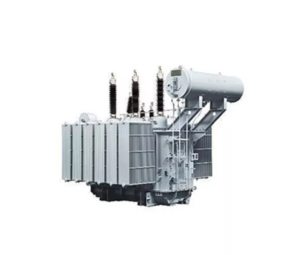
A comprehensive routine inspection and maintenance checklist is fundamental to maintaining transformer performance. Regular visual inspections should include checking for oil leakage, corrosion, abnormal vibrations, and physical damage to external components such as bushings and radiators.
Oil testing and analysis are key procedures for evaluating transformer health. Parameters such as dielectric strength, moisture content, and dissolved gas analysis (DGA) provide valuable insights into internal conditions. These tests help detect insulation degradation and internal faults at an early stage.
Insulation resistance testing helps ensure electrical safety and system stability. By measuring insulation resistance levels, operators can determine whether the transformer insulation system remains effective under operating conditions.
Proper cooling system maintenance is crucial for preventing transformer overheating. This includes cleaning cooling fans, checking oil circulation systems, and ensuring that radiators are functioning efficiently. A well-maintained cooling system directly impacts transformer lifespan and performance reliability.
Common Transformer Faults and Troubleshooting Methods
Common transformer faults include insulation degradation, overheating, and oil leakage. Insulation degradation is often caused by thermal aging, moisture ingress, or electrical stress, leading to reduced dielectric strength and potential internal faults.
Overheating is another frequent issue, typically resulting from overloading, poor cooling system performance, or internal winding faults. Continuous overheating accelerates insulation aging and significantly shortens transformer lifespan. Monitoring temperature levels and ensuring proper cooling system maintenance are essential to mitigate this risk.
Oil leakage not only reduces insulation effectiveness but also exposes the transformer to environmental contamination. Identifying leakage points and performing timely sealing or component replacement is necessary to maintain transformer integrity.
Troubleshooting methods involve systematic analysis using diagnostic tools such as thermal imaging, DGA, and electrical testing. These techniques help pinpoint the root cause of faults and enable targeted corrective actions, minimizing downtime and preventing recurrence.
Preventive Maintenance Strategies for Long-Term Reliability
Preventive maintenance strategies reduce downtime and improve overall system efficiency. Instead of reacting to failures, preventive maintenance focuses on scheduled inspections, condition monitoring, and timely servicing to maintain optimal performance.
Advanced monitoring systems can support predictive maintenance and reduce unexpected failures. By utilizing real-time data from sensors and intelligent monitoring devices, operators can detect anomalies such as temperature fluctuations, load variations, and gas formation trends.
Implementing oil testing and analysis programs ensures continuous assessment of transformer condition. Combined with insulation resistance testing, these methods provide a comprehensive understanding of transformer health and performance trends.
Preventive strategies also include load management, ensuring transformers operate within rated capacity, and maintaining proper ventilation and environmental conditions. These practices collectively enhance transformer reliability, extend service life, and optimize operational efficiency.
Safety Procedures and Best Practices
Following strict safety procedures is critical when performing transformer maintenance tasks. Transformers involve high voltage and hazardous materials, making safety a top priority for maintenance personnel.
Before conducting any maintenance work, proper isolation and grounding procedures must be implemented to eliminate electrical hazards. Personal protective equipment (PPE), including insulated gloves, helmets, and protective clothing, should always be used.
Routine inspections help identify potential issues, but they must be performed under controlled and safe conditions. Adequate training for maintenance personnel ensures that procedures are carried out correctly and efficiently.
In addition, handling transformer oil requires careful attention to environmental and safety regulations. Proper storage, disposal, and spill prevention measures must be in place to avoid contamination and ensure compliance with industry standards.
Maintenance Schedule and Lifecycle Management
A well-planned maintenance schedule helps optimize transformer performance and lifecycle management. Establishing routine inspection intervals—daily, monthly, and annually—ensures that all critical components are regularly evaluated.
Maintenance schedules should be based on operating conditions, load patterns, and environmental factors. Transformers operating in harsh environments, such as high temperature and humidity, require more frequent inspections and servicing.
Lifecycle management involves tracking transformer performance over time and making informed decisions regarding refurbishment or replacement. Historical data from inspections, testing, and monitoring systems provides valuable insights into aging trends and potential risks.
Advanced monitoring systems can support predictive maintenance by enabling data-driven decision-making. This approach reduces unexpected failures, improves asset utilization, and ensures long-term reliability of power systems.
Conclusion
Regular maintenance, proper testing, and strategic planning ensure transformer reliability, minimize failures, and extend operational lifespan effectively.
About ZISHENG ELECTRICAL
Zisheng are a professional 19+ years manufacturer in producing Oil-Immersed Transformers, Compact Substation, Pad Mounted Transformers, Pole Mounted Transformers and Dry Type Transformers. We own the certificates of ISO/CE/IEC 60076 and TUV Rheinland.
Transformers undergo rigorous FAT and type testing, support voltage/capacity customization. Welcome to consult for Catalog and Product. you can contact us at email [email protected].