What Is the Best Transformer Solution for Ensuring Stable and Reliable Railway Operations?
Railway projects often face unstable power and overload risks, leading to costly downtime and safety hazards. Selecting the right solution ensures efficiency, safety, and long-term reliability.
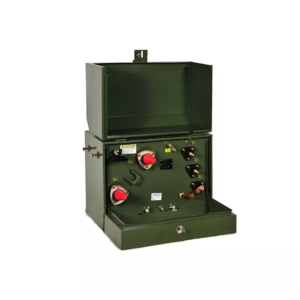
A railway transformer is a specialized power device used in railway electrification systems to convert and regulate voltage for traction power supply. It ensures stable power distribution, supports high voltage railway systems, and maintains operational safety. These transformers are designed for harsh environments, continuous loads, and dynamic fluctuations, making them essential for modern railway power infrastructure.
Understanding transformer selection is critical for ensuring efficient railway operations and avoiding costly system failures.
What Is a Transformer for Railway Systems?
A railway transformer is a critical component within a railway electrification system, designed to convert high transmission voltage into suitable levels for train operation. It plays a central role in traction power supply, enabling electric locomotives to operate efficiently and safely across long distances.
Unlike conventional transformers, railway transformers must withstand frequent load variations, harsh environmental conditions, and continuous operation cycles. They are typically integrated into substations and directly connected to overhead lines or third rail systems. Their design focuses heavily on durability, efficiency, and safety.
In addition, these transformers are engineered with advanced electrical insulation system technologies and robust transformer cooling system mechanisms to ensure long service life. They are essential for maintaining stable power distribution in railways, supporting both passenger and freight transportation systems.
Types of Transformers Used in Railway Electrification
Several types of transformers are used depending on the structure of the railway power infrastructure and system requirements. The most common is the traction transformer, which directly supplies power to trains by stepping down high grid voltage to usable traction levels.
Other types include autotransformers used in high-capacity networks and distribution transformers installed in substations for auxiliary systems. In a high voltage railway system, transformers must handle voltages ranging from 25kV to even higher levels in advanced networks.
Each type is designed with specific features such as enhanced short circuit protection and optimized cooling systems. Selection depends on factors like route length, train frequency, and load demand. A well-matched transformer type ensures efficient grid connection for railway systems and minimizes transmission losses.
Key Technical Requirements for Railway Transformers
Railway transformers must meet strict technical requirements to operate efficiently under demanding conditions. One of the most important aspects is high reliability transformer design, which ensures long-term performance with minimal maintenance.
These transformers must support continuous heavy loads and sudden peak demands, requiring strong electrical insulation system performance and efficient transformer cooling system capabilities. Additionally, they must be resistant to environmental factors such as high temperatures, humidity, and dust.
Another critical requirement is advanced short circuit protection, as railway systems are prone to electrical faults due to their extensive networks. Transformers must also comply with international standards and certifications to ensure safety and compatibility.
Ultimately, the technical design must support stable power distribution in railways while minimizing energy losses and ensuring operational safety.
Power Supply Systems for Railway Traction Networks
The traction power supply system is the backbone of any railway electrification project. It consists of substations, transformers, overhead lines, and control systems working together to deliver consistent power to trains.
In a typical railway electrification system, electricity is transmitted at high voltage and then stepped down by a railway transformer to the required level for traction use. This ensures efficient long-distance transmission with minimal losses.
Modern systems often incorporate advanced monitoring and automation technologies to optimize grid connection for railway networks. These systems enable real-time adjustments to power flow, improving efficiency and reducing downtime.
A well-designed traction network ensures stable and efficient power distribution in railways, supporting both high-speed and heavy-load operations.
Voltage Stability and Load Fluctuation Management
Maintaining voltage stability control is one of the biggest challenges in railway systems. Trains cause rapid and unpredictable load changes, making load fluctuation management essential for system stability.
A high-performance traction transformer is designed to handle these fluctuations without compromising output voltage. This is achieved through advanced core design, efficient cooling, and responsive control systems.
In a high voltage railway system, voltage drops or spikes can lead to operational disruptions or equipment damage. Therefore, transformers must be equipped with precise regulation mechanisms to maintain stable output.
Effective load fluctuation management not only improves system performance but also extends equipment lifespan, ensuring reliable operation across the entire railway network.
Reliability and Safety in Continuous Railway Operations
Railway systems operate continuously, making continuous operation reliability a critical requirement. Any failure in the railway transformer can result in service interruptions, financial losses, and safety risks.
To ensure reliability, transformers are designed with redundant safety features, including advanced short circuit protection and fault detection systems. These features help prevent catastrophic failures and enable quick recovery.
Safety is further enhanced through robust insulation and cooling systems, which protect against overheating and electrical breakdown. A well-engineered transformer supports uninterrupted traction power supply, ensuring smooth and safe train operations.
In modern railway networks, achieving high reliability is essential for maintaining efficient and dependable transportation services.
Conclusion
Choosing the right railway transformer ensures stable, efficient, and safe railway operations while supporting long-term infrastructure reliability and performance.
About ZISHENG ELECTRICAL
Zisheng are a professional 19+ years manufacturer in producing Oil-Immersed Transformers, Compact Substation, Pad Mounted Transformers, Pole Mounted Transformers and Dry Type Transformers. We own the certificates of ISO/CE/IEC 60076 and TUV Rheinland.
Transformers undergo rigorous FAT and type testing, support voltage/capacity customization. Welcome to consult for Catalog and Product. you can contact us at email [email protected].