Which Transformer Solution Can Maximize Performance and Cost Efficiency in Battery Storage Projects?
Unoptimized transformer choices increase energy loss and costs, reducing system profitability. Selecting the right solution ensures efficiency, safety, and long-term return on investment.
Battery storage transformer selection is critical for ensuring proper power capacity calculation, accurate voltage level selection, and efficient system integration. It directly impacts energy efficiency optimization, storage system cost analysis, and lifecycle cost management, making it essential for any energy storage project solution.
Understanding key selection criteria helps improve performance and maximize returns in battery storage applications.
How to Choose a Transformer for Battery Storage Projects?
Selecting the right transformer begins with a detailed evaluation of battery storage transformer selection criteria and project-specific requirements. Each energy storage project solution must consider load demand, system configuration, and operational goals.
Accurate power capacity calculation is essential to ensure the transformer can handle both peak and average loads without overdesign or underperformance. At the same time, proper voltage level selection ensures compatibility with both the battery system and the grid.
In many projects, a standard transformer may not meet all requirements, making a custom BESS transformer necessary. Customization allows for optimized performance based on environmental conditions, system size, and application type.
Additionally, compliance with system integration requirements and grid standards is critical. Working with a reliable transformer supplier ensures proper design, certification, and long-term operational support.
Ultimately, the right transformer selection balances efficiency, cost, and reliability, forming the foundation of a successful battery storage system.
Factors Affecting Transformer Capacity and Performance in BESS
Transformer capacity and performance in battery systems depend on several key factors. The most critical is accurate power capacity calculation, which must reflect real operating conditions, including charge and discharge cycles.
Battery systems often experience dynamic loads, requiring transformers with strong adaptability and stability. Proper voltage level selection ensures that energy flows efficiently between the battery and the grid without excessive losses.
Environmental conditions, such as temperature and humidity, also affect transformer performance. These factors must be considered during the design stage to ensure durability and reliability.
In addition, advanced designs support better energy efficiency optimization, reducing losses and improving overall system performance. A well-designed transformer enhances the effectiveness of renewable energy storage solutions and ensures stable operation under varying conditions.
Cost Analysis and Return on Investment for Storage Projects
Cost considerations play a crucial role in transformer selection for battery storage systems. A comprehensive storage system cost analysis includes not only initial investment but also long-term operational expenses.
Transformers with higher efficiency may have a higher upfront cost but contribute significantly to energy efficiency optimization, reducing energy losses and operating costs over time. This directly improves project profitability.
Another important factor is lifecycle cost management, which evaluates maintenance, energy consumption, and equipment lifespan. A well-designed transformer reduces maintenance frequency and extends service life.
In addition, proper transformer selection supports better integration with renewable energy storage solutions, enhancing overall system value. By balancing cost and performance, project developers can achieve a higher return on investment.
Applications in Grid-Scale and Distributed Energy Storage
Battery storage transformers are widely used in both grid-scale energy storage and distributed energy storage systems. Each application has unique requirements that influence transformer design and selection.
In large-scale projects, transformers must handle high power levels and ensure stable operation across extensive networks. These systems require robust designs and precise power capacity calculation to maintain performance.
In contrast, distributed energy storage systems are typically smaller and located closer to end users. These systems require flexible and compact transformer solutions that can adapt to varying load conditions.
Both applications play a key role in supporting renewable energy storage solutions, enabling efficient use of solar and wind energy. Proper transformer selection ensures seamless integration and reliable operation across different storage scenarios.
Installation, Safety, and Compliance Considerations
Proper installation is essential to ensure transformer performance and system safety. Meeting installation safety standards is critical to preventing operational risks and ensuring compliance with regulations.
Transformers must be installed in environments that meet specific system integration requirements, including ventilation, cooling, and accessibility for maintenance. Environmental factors such as temperature and humidity must also be considered.
A well-defined maintenance planning strategy is necessary to ensure long-term reliability. Regular inspections and preventive maintenance help detect issues early and reduce the risk of unexpected failures.
In addition, compliance with safety and industry standards ensures that the transformer operates safely within the energy storage project solution, protecting both equipment and personnel.
Selecting a Reliable Battery Storage Transformer Manufacturer
Choosing a reliable transformer supplier is a critical step in ensuring project success. A reputable manufacturer provides high-quality products, technical expertise, and reliable after-sales support.
For complex projects, working with a supplier that offers custom BESS transformer solutions is essential. Customization ensures that the transformer meets specific project requirements and operating conditions.
Manufacturers with strong engineering capabilities can optimize designs for lifecycle cost management, helping reduce long-term expenses and improve efficiency.
Additionally, a reliable supplier ensures compliance with international standards, provides transparent documentation, and supports seamless project execution.
Partnering with the right manufacturer guarantees that the transformer delivers consistent performance and supports the overall success of the battery storage system.
Conclusion
Effective battery storage transformer selection ensures optimized performance, reduced costs, and long-term reliability in modern energy storage systems.
About ZISHENG ELECTRICAL
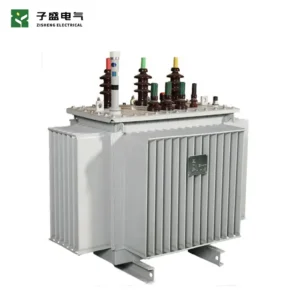
Zisheng are a professional 19+ years manufacturer in producing Oil-Immersed Transformers, Compact Substation, Pad Mounted Transformers, Pole Mounted Transformers and Dry Type Transformers. We own the certificates of ISO/CE/IEC 60076 and TUV Rheinland.
Transformers undergo rigorous FAT and type testing, support voltage/capacity customization. Welcome to consult for Catalog and Product. you can contact us at email [email protected].