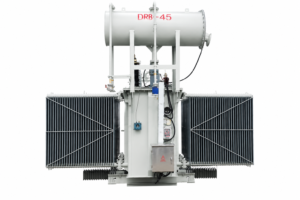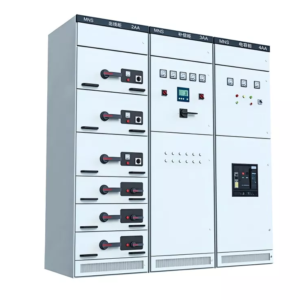
2500 kVA Transformer Price: What Determines the Cost and How Can Buyers Optimize Their Investment?
High transformer costs strain project budgets, delay execution, and risk poor ROI. Misjudging price factors leads to inefficiency. Understanding pricing helps buyers secure reliable, cost-effective solutions.
The price of a 2500 kVA transformer varies significantly depending on design type, materials, and manufacturing standards. Dry type transformers are generally more expensive than oil-filled transformers due to higher insulation and cooling technology costs. The total cost includes manufacturing, testing, transportation, and installation, while regional differences and compliance standards also influence final pricing.
To make informed procurement decisions, it is essential to explore the key cost drivers and market dynamics behind transformer pricing.
Key Factors Affecting 2500 kVA Transformer Price
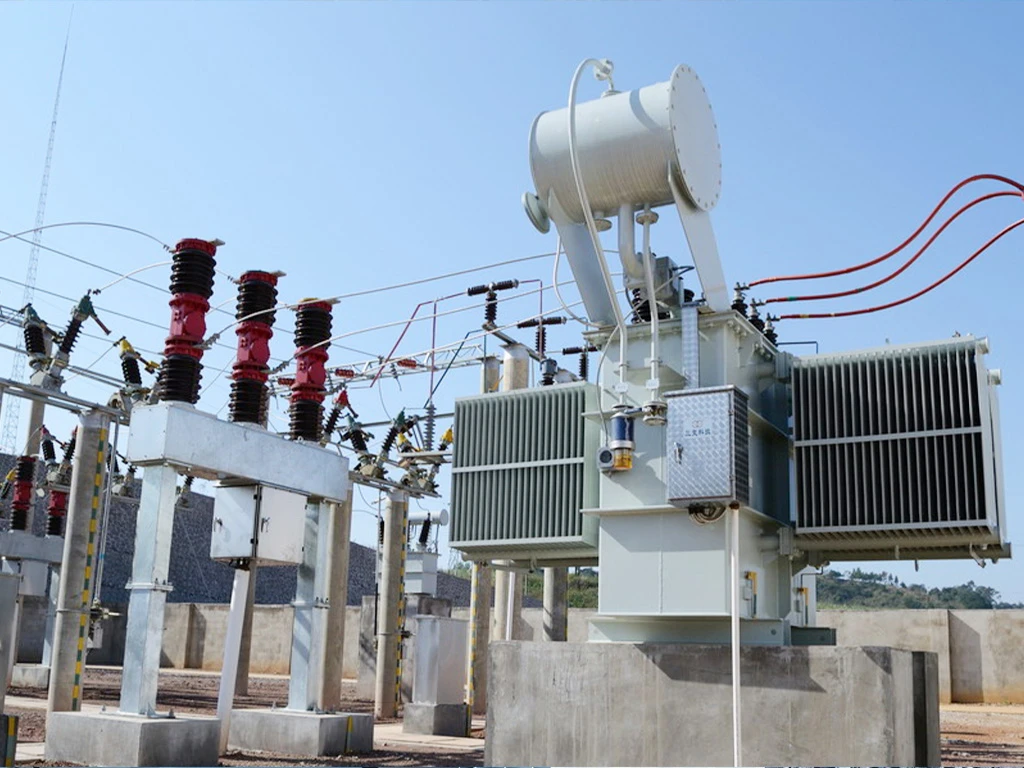
The price of a 2500 kVA transformer is influenced by multiple technical and commercial factors. First, the design type plays a major role, as dry type and oil-filled transformers differ significantly in structure and cooling methods. Second, material selection directly impacts cost, particularly when high-quality copper windings and premium silicon steel cores are used.
Manufacturing standards and certifications also contribute to pricing variations. Compliance with international standards such as IEC or ISO can affect both the price and quality of the transformer, ensuring reliability and safety in operation. Additionally, customization requirements such as voltage rating, frequency, and enclosure type can influence the final transformer price.
Other factors include production scale, brand reputation, and supplier capabilities. Bulk purchasing and direct sourcing from manufacturers can help reduce the unit price of transformers, making procurement more cost-efficient for large-scale projects.
Price Differences Between Dry Type and Oil-Filled Transformers
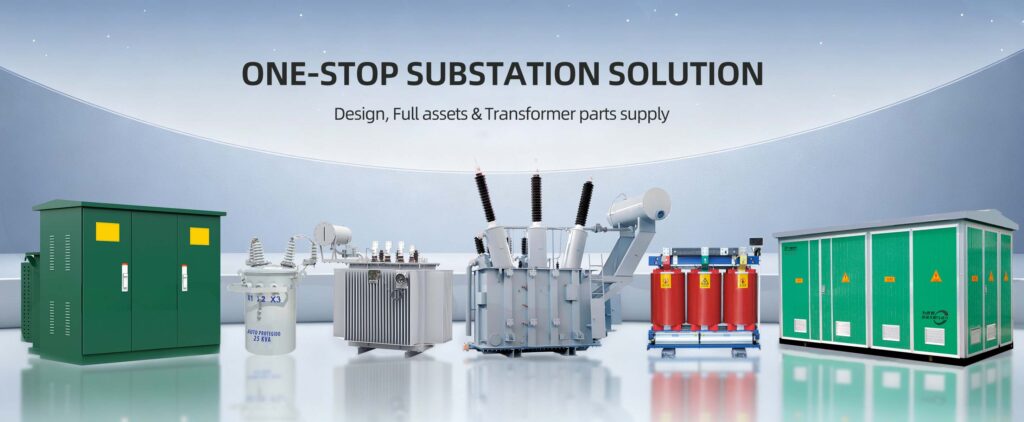
Dry type transformers are generally more expensive than oil-filled transformers due to their advanced insulation systems and air or resin-based cooling technologies. These designs eliminate the need for insulating oil, making them safer for indoor applications and environmentally sensitive areas.
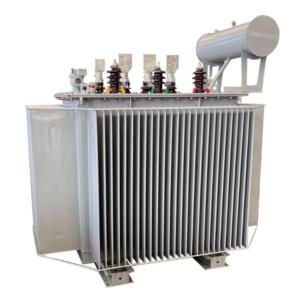
However, this added safety and reduced maintenance come at a higher cost. The materials used in dry type transformers, such as epoxy resin and high-grade insulation components, significantly increase production expenses. In contrast, oil-filled transformers rely on mineral oil for insulation and cooling, which is more cost-effective and widely available.
Despite their lower initial price, oil-filled transformers may require additional safety measures, such as fire protection systems. Therefore, while dry type transformers have a higher upfront cost, they can offer long-term advantages in specific applications, especially where safety and environmental concerns are critical.
Cost Breakdown of a 2500 kVA Transformer
Understanding the cost structure of a 2500 kVA transformer helps buyers evaluate quotations more effectively. The total cost of a 2500 kVA transformer includes manufacturing, testing, transportation, and installation expenses.
Manufacturing costs typically account for the largest portion, including raw materials, labor, and production processes. Testing costs are also essential, as transformers must undergo rigorous quality inspections to ensure compliance with standards and operational reliability.
Transportation costs vary depending on distance, logistics conditions, and packaging requirements. Heavy equipment like transformers often requires specialized handling and shipping methods. Installation costs may include site preparation, electrical connections, and commissioning services.
In addition, after-sales support and warranty services can be part of the overall cost consideration. Buyers should evaluate not only the purchase price but also the total lifecycle cost when selecting a transformer.
Material Selection and Its Impact on Pricing
Material quality is one of the most critical factors influencing transformer pricing. Copper windings and high-grade silicon steel cores can increase transformer costs but improve efficiency and lifespan. Copper, in particular, offers better conductivity and lower energy losses compared to aluminum, making it a preferred choice for high-performance transformers.
Similarly, the core material affects energy efficiency. High-quality silicon steel reduces hysteresis and eddy current losses, contributing to better operational performance and lower long-term energy costs. Although these materials increase initial investment, they align with the growing demand for energy-efficient solutions.
Insulation materials also play a role in pricing. Advanced insulation systems enhance safety, durability, and thermal performance but add to manufacturing costs. Therefore, selecting the right combination of materials is crucial for balancing cost and performance.
Regional Price Variations and Market Trends
Transformer prices may vary across regions due to differences in labor costs, raw materials, and local regulations. For example, manufacturing in regions with lower labor costs can reduce overall production expenses, making products more competitive in international markets.
Raw material availability also affects pricing. Regions with easier access to copper, steel, and insulation materials may offer more stable pricing. Additionally, local regulations and certification requirements can increase costs, especially when compliance with international standards such as IEC or ANSI is mandatory.
Market trends also influence pricing. Increasing demand for renewable energy projects, infrastructure development, and grid expansion has driven the need for reliable transformers. At the same time, rising raw material prices and supply chain disruptions can lead to fluctuations in transformer costs.
Understanding these regional and market dynamics helps buyers identify the best sourcing strategies and optimize procurement decisions.
How to Choose a Cost-Effective 2500 kVA Transformer
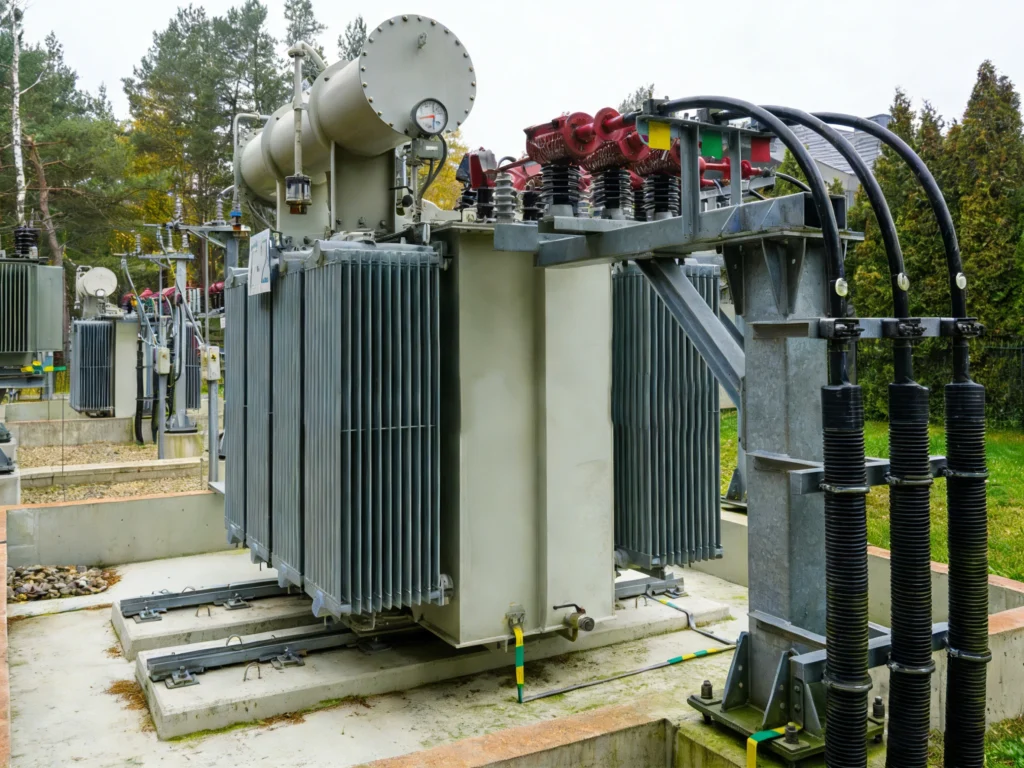
Selecting a cost-effective transformer requires balancing price, quality, and long-term performance. Buyers should first evaluate their specific application requirements, including load capacity, environmental conditions, and installation location.
Choosing a reliable transformer supplier ensures a balance between cost, performance, and long-term reliability. Suppliers with strong manufacturing capabilities and proven quality control systems are more likely to deliver consistent products that meet project requirements.
Customization should be carefully considered. While tailored specifications can improve performance, they may also increase costs. Buyers should focus on essential features and avoid unnecessary modifications.
Additionally, higher efficiency transformers may have a higher initial price but can reduce long-term operating costs through energy savings. Bulk purchasing and direct sourcing from manufacturers can help reduce the unit price of transformers, especially for large-scale projects.
Finally, verifying certifications and testing reports is essential to avoid risks associated with substandard products. A strategic approach to procurement ensures both cost efficiency and operational reliability.
Conclusion
Understanding pricing factors enables buyers to select reliable, efficient, and cost-effective 2500 kVA transformers while minimizing long-term operational risks.
About ZISHENG ELECTRICAL
Zisheng are a professional 19+ years manufacturer in producing Oil-Immersed Transformers, Compact Substation, Pad Mounted Transformers, Pole Mounted Transformers and Dry Type Transformers. We own the certificates of ISO/CE/IEC 60076 and TUV Rheinland.
Transformers undergo rigorous FAT and type testing, support voltage/capacity customization. Welcome to consult for Catalog and Product. you can contact us at email [email protected].